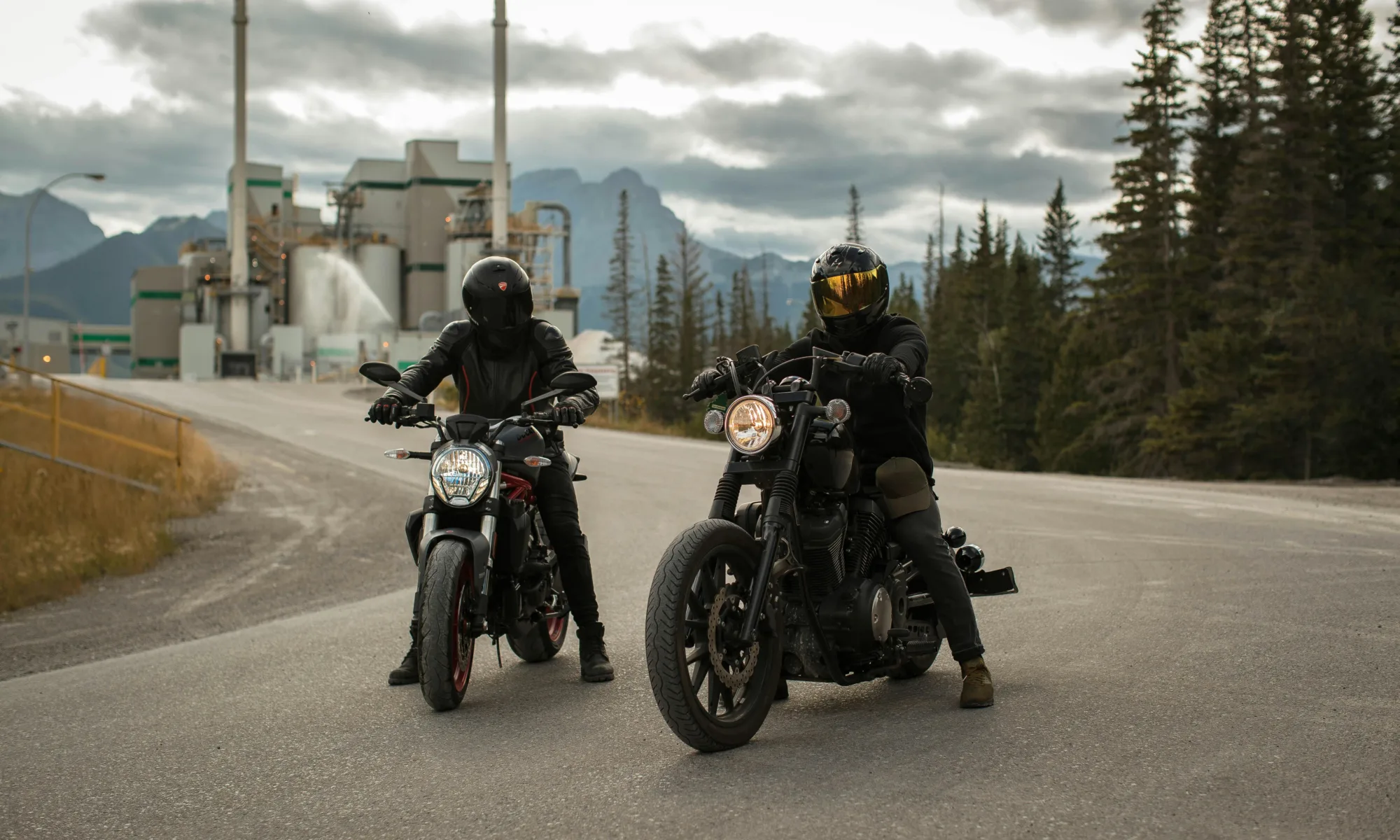
Best Motorcycle Riding Gear 2025
Welcome, fellow riders, to the most comprehensive guide on motorcycle gear you’ll find. In the world of motorcycling, the most important accessory isn’t a new exhaust or a custom paint job—it’s the gear you wear. It’s the only thing standing between you and the road, the weather, and unforeseen circumstances. This isn’t just about safety; it’s about comfort, confidence, and the freedom to enjoy every ride to the fullest. For new riders, the sheer volume of options can be dizzying. This guide cuts through the noise. We’ll explore every essential piece of equipment, from the most crucial helmet to the most underrated boots. We’ll dive deep into materials, explaining the difference between Cordura and Kevlar. We’ll demystify certifications, so you know exactly what a CE Level 2 rating truly means. We’ll teach you how to get the perfect fit, because ill-fitting gear is useless gear. And most importantly, we’ll redefine “best.” Because the best gear isn’t the most expensive or the most famous—it’s the gear perfectly suited to you and your unique riding world. Use this as your reference, your checklist, and your trusted advisor as you build your ultimate riding kit.
Before you read further do visit our gear finder tool to help you find the right gear – https://goodgearhub.com/gear-finder-tool/
What is the “Best” Motorcycle Gear? It’s Not About the Price Tag
This is the most critical lesson for any rider. The best riding gear isn’t defined by its cost, its brand name, or its marketing hype. The best gear is a harmonious match between the rider and their environment. It’s the gear that feels invisible when you wear it, allowing you to focus on the road.
Factors that define “best”:
- Riding Style: The gear for a sport bike rider tackling track days is vastly different from the gear for an adventure touring rider crossing continents. One prioritizes aerodynamics and abrasion resistance; the other, weather protection, ventilation, and cargo space.
- Bike Type: A cruiser rider on a laid-back day trip has different needs than a rider on a sport-touring bike on the highway. Your gear should complement your bike’s ergonomics and performance.
- Weather and Climate: A rider in the desert Southwest needs maximum ventilation and UV protection. A rider in the Pacific Northwest needs a bomb-proof, waterproof setup that handles constant rain. A rider in the North needs a system with robust thermal insulation and wind protection.
- Trip Duration: A short commute to work requires gear that is easy to put on and take off, with a focus on urban protection and style. A multi-day touring trip demands all-day comfort, multi-season versatility, and waterproofing that won’t fail.
- Fit: This is non-negotiable. Gear that doesn’t fit properly won’t protect you. A helmet that’s too loose will move in a crash. Armor that slides around your body won’t absorb impact where it’s needed. The right fit is the foundation of effective protection.
Ultimately, the best gear is a personalized system. It’s a combination of pieces that work together to keep you safe, comfortable, and confident on every single ride, without breaking the bank for features you don’t need.
1. Helmet — The Single Most Important Piece of Gear
The helmet is non-negotiable. Its sole purpose is to protect your brain, and you should never compromise on this.
- Shell Materials:
- Polycarbonate: An entry-level thermoplastic, affordable and effective. It’s designed to compress and absorb impact, but it’s heavier than composite shells.
- Fiberglass Composite: A step up from polycarbonate. It’s a blend of fiberglass and other materials, offering a better strength-to-weight ratio and improved energy management during a crash.
- Carbon Fiber: The gold standard. Extremely lightweight and rigid, providing excellent high-speed impact protection. The trade-off is a higher cost and a tendency to be more brittle in low-speed drops.
- Liner: The interior liner, known as EPS (expanded polystyrene), is what actually absorbs the energy of an impact. A dual-density EPS liner uses different densities of foam in key areas to better manage both high- and low-speed impacts.
- Interior Padding: This is where comfort comes in. Look for moisture-wicking, antimicrobial fabrics like CoolMax or Dry-Cool to keep your head dry and fresh. Budget helmets often use simple, rough polyester mesh.
- Ventilation: A good helmet will have multiple intake and exhaust vents to allow for airflow, which is critical for comfort and to prevent fogging.
- Certifications:
- DOT (U.S.): A minimum standard required for sale in the U.S., a self-certification process.
- ECE 22.06 (EU): A more rigorous standard with mandatory third-party testing, including an oblique impact test to measure rotational force. This is the new global benchmark.
- SHARP (UK): An independent testing program that gives a 1–5 star rating based on impact tests. A higher star rating means better performance.
- Fit Types: Most helmet manufacturers offer a range of internal shapes. Finding the right shape for your head is crucial.
- Intermediate Oval: The most common head shape, fitting most people comfortably.
- Round Oval: Equal dimensions from front to back and side to side.
- Long Oval: Narrow and elongated, for riders with a longer head shape.
- Fit Tip: The helmet should feel snug all over your head, with no pressure points. Your cheeks should be slightly compressed. Shake your head side to side and up and down; the helmet should stay firmly in place without any wobbling.
- Price & Brand Examples:
- Budget ($100–$150):
- LS2: Offers a fantastic range of features for the price, often including a drop-down sun visor.
- MT: Known for solid construction and great value, often with ECE certifications.
- SMK: An Indian brand that has gained popularity for its strong safety ratings and modern designs at an accessible price.
- Standard ($200–$400):
- HJC: The go-to brand for many riders, offering a perfect blend of quality, features, and value.
- Scorpion: Stands out with its inflatable cheek pad system for a customizable fit.
- Nolan: A classic Italian brand, known for its reliable modular helmets and integrated communication systems.
- Premium ($500+):
- Shoei: Legendary for its impeccable build quality, quietness, and advanced aerodynamics.
- Arai: Famous for its round, “glancing off” shell shape philosophy and a focus on handcrafted quality.
- AGV: The brand of champions, offering aggressive, race-proven designs and top-tier safety.
- Schuberth: The leader in modular and touring helmets, prioritizing quietness and comfort for long-distance riding.
- Budget ($100–$150):
2. Jacket — Your Body’s First Line of Defense
A jacket is more than just a piece of clothing; it’s a critical piece of safety equipment that protects your torso and arms.
- Outer Shell Materials:
- 600D Polyester: A durable, entry-level textile material that offers good abrasion resistance. “D” stands for Denier, a measure of fabric thickness and strength.
- Cordura Nylon (500D–1000D): A significant step up in abrasion resistance. It’s a highly durable, lightweight nylon that is far stronger than standard polyester.
- SuperFabric: A highly specialized, ceramic-reinforced material found in premium adventure and touring gear. It’s incredibly abrasion-resistant and is strategically placed in high-impact areas like elbows and shoulders.
- Leather (1.2mm+): The classic choice for ultimate abrasion resistance. Look for full-grain leather, which is the strongest. Leather jackets for riding are thicker and more robust than fashion jackets.
- Waterproofing:
- Removable liners: The most common and affordable method. A separate waterproof liner is zipped into the jacket. The main downside is that the outer jacket shell can still get soaked and heavy.
- Laminated shells: The best solution for waterproofing. A waterproof membrane (like Gore-Tex) is bonded directly to the outer shell, so water beads off immediately and the jacket never gets waterlogged.
- Interior Liner: A good interior liner is crucial for comfort. It should be breathable, moisture-wicking mesh, allowing for proper airflow.
- Armor Types: This is the most important part of your jacket’s protection. Armor is what protects you from impact.
- D3O, SAS-TEC, Knox: These are popular brands of CE-certified impact protection. They are soft and flexible during normal use but harden instantly upon impact.
- CE Level 2 vs. CE Level 1: Level 2 armor offers better impact energy absorption than Level 1. Always look for Level 2 in key areas like shoulders and elbows.
- Certifications: The EN 17092 standard is the latest for motorcycle apparel.
- A: Light protection, typically for urban use.
- AA: Mid-range protection, suitable for touring and general riding.
- AAA: The highest level of protection, reserved for high-performance and track-level gear.
- Fit Types:
- Touring: A relaxed fit with room for layers, designed for all-day comfort.
- Sport: A more aggressive, pre-curved fit with tighter arms to prevent flapping at high speeds.
- Urban: A casual cut with a more relaxed style that looks good off the bike.
- Fit Tip: Try on the jacket in a riding position. The armor should stay in place at your elbows and shoulders. You should be able to reach the handlebars without the jacket feeling tight across your back or chest.
- Price & Brand Examples:
- Budget ($120–$200):
- Bilt: Provides a wide range of entry-level gear at a very low price, making it accessible to new riders.
- Speed & Strength: Offers aggressive styling and a good mix of textile and leather options for the price point.
- Standard ($250–$450):
- REV’IT!: A Dutch brand known for its stylish, functional, and well-designed gear that perfectly balances form and function.
- Alpinestars: A global leader in motorcycle safety, offering a vast catalog of jackets from sport to touring, all with race-derived technology.
- Dainese (entry): The iconic Italian brand, known for its sharp style and high-end materials, even in its more affordable offerings.
- Premium ($500+):
- Klim: The undisputed king of adventure touring gear, famous for its bomb-proof construction and use of the highest-quality Gore-Tex laminates.
- Rukka: A premium Finnish brand known for its exceptional all-weather performance, durability, and a lifetime warranty on most products.
- Budget ($120–$200):
3. Gloves — Your Connection to the Ride
Your hands are your primary connection to your motorcycle and are often the first part of your body to hit the ground in a fall.
- Materials:
- Leather (Goat/Cow/Kangaroo): The best choice for abrasion resistance. Goat leather is soft and flexible, cowhide is durable, and kangaroo leather offers the best strength-to-weight ratio.
- Textile/Mesh: Lighter and more breathable, perfect for summer riding. Must have reinforcements in key areas.
- SuperFabric: Used on premium gloves in the palm and knuckle areas for superior slide protection.
- Armor & Reinforcements: Look for a hard knuckle protector made from TPU or carbon fiber. Palm sliders are crucial, as they allow your hand to slide rather than catch and twist, preventing wrist and forearm injuries.
- Waterproofing:
- Gore-Tex: The industry benchmark for waterproof, breathable gloves. The Gore-Grip technology bonds the liner to the shell to prevent it from pulling out.
- DryStar, Hipora: Entry to mid-tier waterproofing membranes that work well but may not be as breathable as Gore-Tex.
- Certifications: Look for EN 13594, which ensures the gloves have been tested for abrasion, seam strength, and impact protection. Level 2 offers better protection than Level 1.
- Cuff Types:
- Short cuff: Ideal for city riding and hot weather. They are easy to put on and take off.
- Gauntlet: A longer cuff that extends over the jacket sleeve to create a weather-sealed barrier, perfect for touring and colder weather.
- Fit Tip: The gloves should allow for a full fist closure without being tight. There should be no extra material at the fingertips. A snug wrist closure is essential to keep them from coming off in a crash.
- Price & Brand Examples:
- Budget ($40–$70):
- Cortech: Offers functional, no-frills gloves with solid protection and decent materials at an affordable price.
- Icon: Known for its aggressive, street-focused style, offering a mix of leather and textile options.
- Standard ($80–$150):
- Alpinestars: A huge range of gloves with race-derived protection and excellent fit.
- Five: A specialist glove brand, focusing solely on hand protection with ergonomic designs and a perfect feel.
- Held: A legendary German brand known for its meticulous craftsmanship and use of top-tier materials like kangaroo leather.
- Premium ($180+):
- Knox: Pioneers of the palm slider, offering some of the most protective and innovative gloves on the market.
- Klim: Known for its heavy-duty, all-weather gauntlet gloves designed for extreme touring and adventure riding.
- Racer Gloves: An Austrian company focused on high-performance leather gloves, often featuring multiple layers of protection and advanced materials.
- Budget ($40–$70):
4. Riding Jeans & Pants — The Lower Body Armor
Your legs are vulnerable, and wearing a pair of jeans is not enough. You need gear that’s built for sliding on asphalt.
4A. Riding Jeans — Style + Protection
- Why Not Regular Denim? Because a regular pair of jeans will shred in less than a second on asphalt, leaving your skin completely exposed. They offer zero impact protection.
- What Makes Riding Jeans Special? The key is the Aramid or Kevlar lining, which provides superior abrasion resistance in the seat, hips, and knees. Most importantly, they have pockets for removable, CE-certified armor at the knees and hips.
- Materials:
- Cordura Denim: A blend of denim and Cordura nylon, offering better abrasion resistance and stretch than regular denim.
- Kevlar-Lined: The classic choice. Look for jeans with full Kevlar coverage in all major crash zones.
- Certifications: EN 17092 is the new standard. Look for AA or AAA ratings, which signify a high level of protection. CE EN 1621-1 Level 2 armor is the best for impact protection.
- Price & Brand Examples:
- Budget ($90–$130):
- Oxford: A UK brand offering solid, no-nonsense jeans with good protection and a range of styles at a low price point.
- Bull-it: Famous for its Covec fabric, a high-performance material that provides extreme abrasion and cut resistance.
- Standard ($150–$250):
- Pando Moto: A brand focused on modern style and high-tech materials, with a focus on ergonomic fit and sleek design.
- John Doe: Known for its XTM-Fiber, a highly abrasion-resistant lining, and a wide range of stylish fits.
- REV’IT!: Offers a stylish and comfortable range of jeans with excellent protection, blending casual looks with serious safety.
- Premium ($300+):
- Rokker: The Swiss brand of choice for riders who want the highest level of protection in a single-layer, incredibly strong denim.
- Saint: Pioneers of the single-layer, Dyneema-blended denim, offering some of the most protective jeans in the world.
- Resurgence: Known for its Pekev lining, a material with incredible abrasion resistance, often exceeding Kevlar.
- Budget ($90–$130):
4B. Textile Pants — Built to Tour
- Materials: Made from the same materials as textile jackets, such as 600D–1000D Polyester and Cordura. Premium gear will use SuperFabric in key areas.
- Liners: They typically come with a breathable mesh liner, and often include removable thermal and waterproof liners for multi-season versatility.
- Fit Types:
- Overpants: Designed to be worn over your regular clothes, making them a great option for commuters.
- Adventure Fit: A roomy, comfortable cut that allows for freedom of movement and fits over off-road boots.
- Touring Fit: A sleeker, more streamlined fit designed for comfort on long highway rides.
- Certifications: The same EN 17092 AA or AAA and CE EN 1621-1 Level 2 armor ratings apply.
- Price & Brand Examples:
- Budget ($100–$180):
- Sedici: A house brand known for providing an incredible amount of features for the price, making it a favorite for new riders.
- Joe Rocket: A long-standing American brand offering a wide range of textile pants with solid protection and a classic riding style.
- Standard ($200–$350):
- Alpinestars: A global giant, offering a huge selection of touring and adventure pants with proven technology and a comfortable fit.
- REV’IT!: Known for its innovative designs and features, such as the VCS Aquadefence system for massive ventilation.
- Premium ($400+):
- Klim: The top choice for adventure riders, known for its legendary durability, perfect waterproofing, and innovative venting systems.
- Rukka: Famous for its high-end, all-weather touring pants with a focus on unmatched durability and weather protection.
- Budget ($100–$180):
5. Boots — The Most Underrated Gear
Boots are often an afterthought, but they are crucial for protecting your ankles, feet, and shins.
- Why Not Sneakers? A sneaker offers zero protection against impact or crushing. They have no ankle support and will simply twist off your foot in a fall. A broken ankle is one of the most common and debilitating motorcycle injuries.
- Materials: Look for full-grain leather or reinforced synthetics. The sole should be stiff and resistant to twisting.
- Protection: Essential features include a toe box to protect against crushing, a heel cup, ankle armor, and a stiff sole that prevents the foot from flexing unnaturally.
- Waterproofing: Gore-Tex is the premium choice for waterproof and breathable boots. DryStar and Hipora are solid mid-range options.
- Certifications: The EN 13634 standard is key. Look for Level 2 certification for better resistance to cuts and abrasion. IPA indicates ankle protection, WR means waterproof, and FO means the sole is fuel/oil-resistant.
- Boot Types:
- Short: Ideal for urban commuting and warmer weather. They offer basic ankle protection but are easy to walk in.
- Mid/Full: The best choice for touring and adventure. They provide comprehensive protection for the ankle and lower shin.
- Fit Tip: The boot should fit snugly at the ankle, providing firm support. The toe box should be wide enough that your toes aren’t cramped. You should be able to operate the shifter and rear brake comfortably.
- Price & Brand Examples:
- Budget ($100–$160):
- TCX: An Italian brand with a focus on safety and a wide range of styles, from urban sneakers to touring boots.
- Falco: Offers a variety of riding boots with good protective features at a very competitive price.
- Standard ($180–$300):
- Forma: A popular choice for adventure and touring boots, known for its comfortable fit and high-quality waterproof membranes.
- Alpinestars: Another huge range of options, from race boots to touring boots, all with a focus on advanced protection and ergonomics.
- REV’IT!: Offers stylish, functional, and protective boots that perfectly match their jacket and pant lines.
- Premium ($350+):
- Sidi: An Italian brand famous for its race-proven boots with exceptional protection and a unique, customizable fit system.
- Daytona: A German brand known for its legendary quality, using a dual-boot system with a protective inner boot and a waterproof outer shell.
- Klim: Makes heavy-duty, all-weather boots designed to withstand the rigors of long-distance adventure riding.
- Budget ($100–$160):
Best Motorcycle Riding Gear 2025 – goodgearhub wrap up
The world of motorcycle gear is vast, but with a foundational understanding of what matters, you can build a personal safety system that works for you. This isn’t just about buying the most expensive gear—it’s about making informed choices. Start with the essentials: a quality helmet, a protective jacket, gloves, pants, and boots. Prioritize gear that fits well and offers the certifications you need for your riding style. Understand the materials and the features that matter most.
The journey starts the moment you put on your gear. Do it right, and every ride will be safer, more comfortable, and more exhilarating. Don’t think of it as a cost; think of it as an investment in yourself. Ride safe!
Trusted Gear Links
USA
https://imp.i104546.net/c/6525840/835082/11256
https://www.cyclegear.com
https://www.jpcycles.com
EU/UK
https://www.sportsbikeshop.co.uk
https://www.fc-moto.de
https://www.championhelmets.com
https://www.louis-moto.com
SPECIALIST GEAR SITES
https://www.lonerider-motorcycle.com
https://www.garmin.com/en-IN/c/motorcycle/
https://www.hepco-becker.de/en/