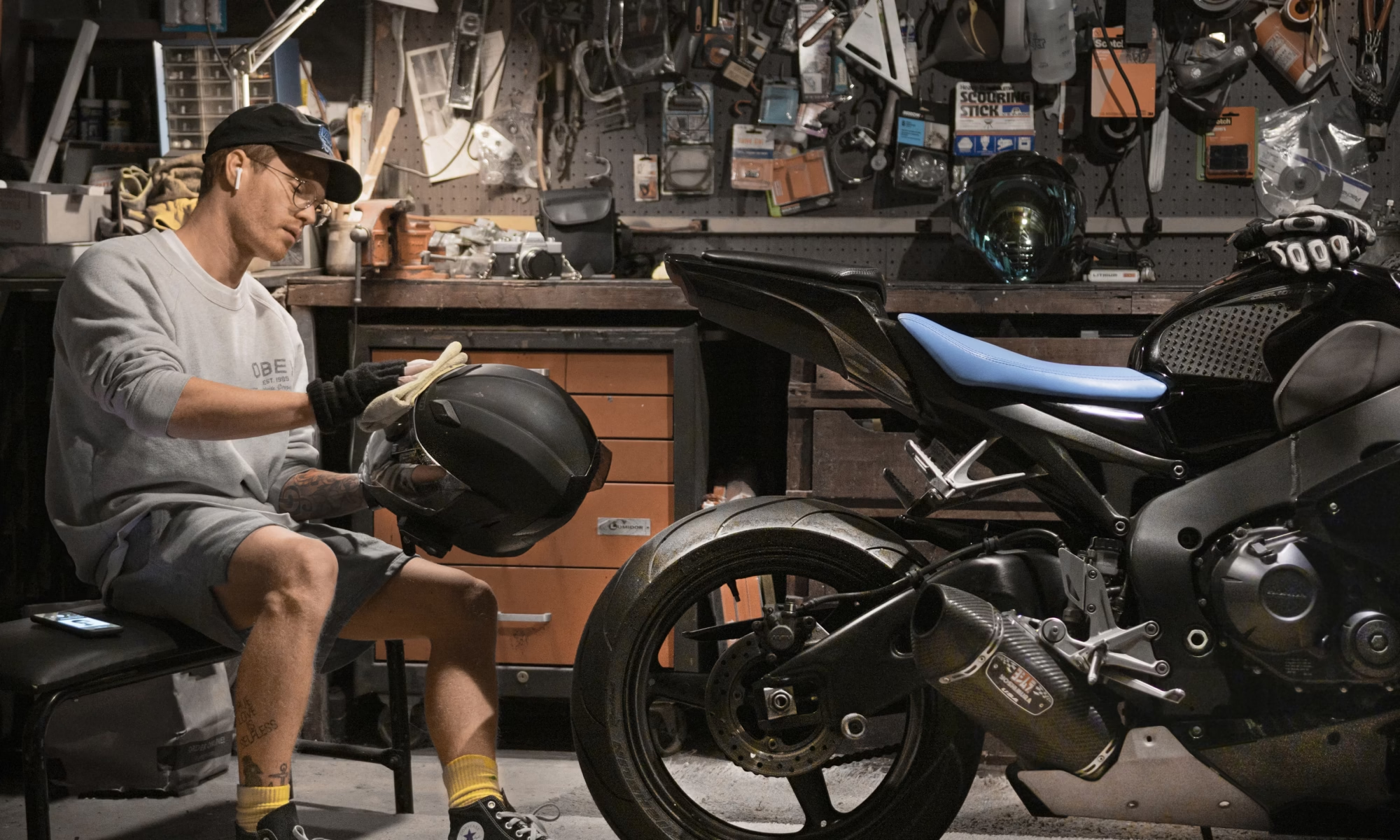
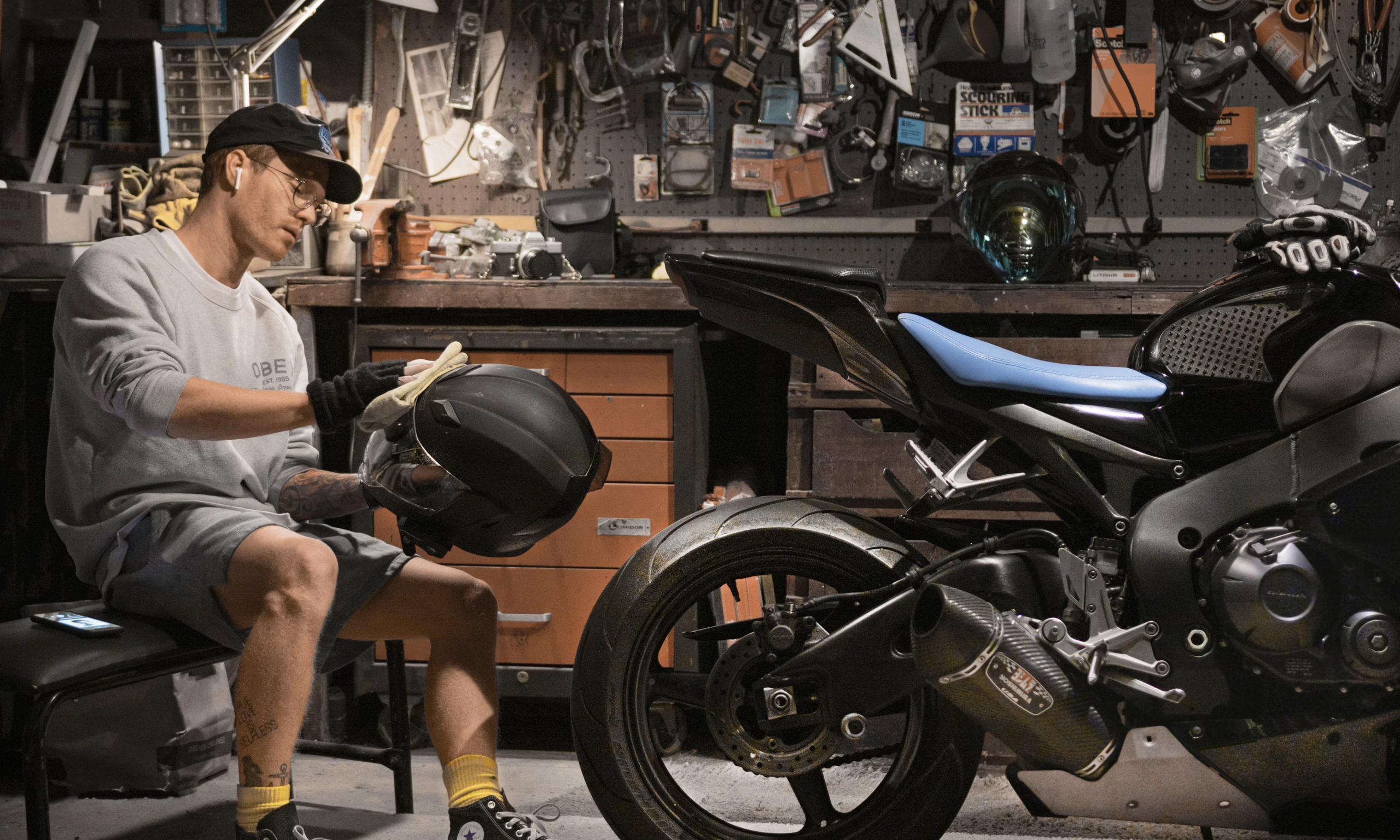
Ultimate Care for Motorcycle Gear
For every motorcycle enthusiast, the thrill of the open road is undeniable. But as we focus on the ride itself, it’s easy to overlook a critical aspect of our passion: the gear that keeps us safe. Your helmet, jacket, gloves, boots, and riding pants aren’t just accessories; they are a vital line of defense, engineered to protect you when it matters most. Just like your motorcycle, your gear requires regular maintenance to perform optimally.
Neglecting your gear can lead to more than just a shabby appearance. Dirt, sweat, and environmental exposure can degrade materials, compromise protective features, and significantly shorten the lifespan of your expensive equipment. Caring for your motorcycle gear is a practice of both preservation and safety. It ensures that the materials retain their strength and flexibility, and that the protective elements—like impact armor and waterproofing—remain effective. This comprehensive guide will walk you through the essential steps for cleaning and maintaining every piece of your riding ensemble, from the top of your head to the tips of your toes.
Before you read further do visit our gear finder tool to help you find the right gear – https://goodgearhub.com/gear-finder-tool/
Section 1: The Foundation – General Principles of Gear Maintenance
Before diving into the specifics of each item, let’s establish some universal rules for motorcycle gear care. These principles form the bedrock of a good maintenance routine and apply across the board.
- Read the Manufacturer’s Instructions: Every piece of gear is unique. Always check the care labels and manuals provided by the manufacturer. They offer the most accurate advice on cleaning agents, water temperatures, and drying methods specific to your product’s materials.
- Avoid Harsh Chemicals: Steer clear of bleach, fabric softeners, and strong solvents. These can damage the integrity of technical fabrics, leather, and protective coatings. Mild, pH-neutral detergents are almost always the safest choice.
- Opt for Air Drying: Direct heat from dryers, radiators, or even prolonged, intense sunlight can cause materials to shrink, crack, or lose their protective properties. Always air-dry your gear in a well-ventilated, shady spot.
- Store Properly: Proper storage is just as important as cleaning. Ensure your gear is completely dry before storing it. Use padded hangers for jackets and trousers, and keep helmets, gloves, and boots in a cool, dry place away from extreme temperatures and moisture.
Section 2: Head First – Helmet Care and Maintenance
Your helmet is your most important piece of safety equipment, so its care should be a top priority. A clean helmet isn’t just about hygiene; it’s about maintaining the structural integrity of its components.
Cleaning the Helmet Shell
- Materials: A soft microfiber cloth, a mild detergent (like dish soap), and warm water. For a more specialized approach, consider a helmet-specific cleaner like Nikwax Helmet Cleaner, which is formulated to be gentle on shell materials and internal liners.
- Process: Mix a few drops of mild detergent with warm water. Dampen the microfiber cloth and gently wipe down the helmet shell. Avoid scrubbing aggressively, which can scratch the finish. For stubborn spots like bug splatters, lay a warm, damp cloth on the area for a few minutes to soften the residue before wiping it away.
Cleaning the Visor
- Materials: A clean microfiber cloth and warm water. Many riders also use a helmet visor cleaner for streak-free results.
- Process: Remove the visor from the helmet if possible. This makes cleaning both the inside and outside easier. Never use glass cleaner, as the ammonia can damage the visor’s protective coatings. Use a damp microfiber cloth to gently wipe it clean. For a deeper clean, some visors can be submerged in a mild soapy water solution, but always check the manufacturer’s instructions first.
Cleaning the Interior and Liner
- Materials: Lukewarm water and a mild, non-abrasive soap.
- Process: Most modern helmet liners are removable. Carefully detach the cheek pads and comfort liner. Hand wash them in lukewarm soapy water, gently massaging them to release sweat, oil, and dirt. If they are machine-washable, use a gentle cycle with a mild detergent and place them in a laundry bag to prevent damage.
- Drying: After washing, gently press out excess water (do not wring). Lay the liners flat on a clean towel or hang them to air-dry. Ensure they are completely dry before reinserting them into the helmet.
The Final Touches: Storing and Lubricating
Once clean and dry, store your helmet in a padded helmet bag to protect it from scratches and dust. Check the visor pivot points and locking mechanisms. If they feel stiff, a small amount of silicone lubricant (like WD-40 Specialist Silicone) can help keep them operating smoothly without damaging plastics.
Section 3: Jacket Maintenance – Leather vs. Technical Fabrics
Your jacket takes a beating from the elements. Proper care is essential to maintain its protective qualities and keep you comfortable. The cleaning method depends entirely on the material.
Caring for Leather Jackets
Leather is a natural material that needs to be cleaned and conditioned to stay supple and strong.
- Cleaning: For minor dirt and dust, a simple wipe down with a soft, damp cloth is sufficient. For a deeper clean, use a dedicated leather cleaner (Lexol is a popular choice). Apply the cleaner to a cloth and gently wipe the jacket, focusing on areas with a buildup of grime.
- Conditioning: After cleaning, it’s crucial to condition the leather to prevent it from drying out and cracking. Use a leather conditioner and apply it evenly, allowing it to soak in according to the product’s instructions. This step restores the leather’s natural oils and keeps it flexible.
- Storage: Hang the jacket on a wide, padded hanger to maintain its shape. Store it in a cool, dry area. Never store a leather jacket folded or stuffed in a bag, as this can cause permanent creases.
Caring for Technical Fabric Jackets (e.g., Gore-Tex)
These jackets are often designed with a waterproof-breathable membrane. Using the wrong products can compromise this technology.
- Cleaning: Use a technical fabric cleaner such as Granger’s Performance Wash or Nikwax Tech Wash. Avoid regular detergents, as they can leave residues that clog the fabric’s pores and reduce its breathability and water repellency.
- Process: Follow the cleaner’s instructions for hand washing or a gentle machine cycle with cold water. Close all zippers and Velcro straps before washing to prevent snagging.
- Drying and Reproofing: Air-dry the jacket away from direct heat. Once dry, consider reapplying a Durable Water Repellent (DWR) treatment like Nikwax TX.Direct. This will restore the fabric’s water-repellent finish, causing water to bead up and roll off.
Section 4: Footwear Fundamentals – Boots and Their Upkeep
Motorcycle boots protect your feet and ankles, and their maintenance is key to their longevity and protective function.
Leather Boots
- Cleaning: Start by brushing off loose dirt with a soft brush. Use a saddle soap or a specialized leather cleaner (Fiebing’s Saddle Soap is a classic) on a damp cloth to clean the surface.
- Conditioning and Polishing: Once clean and dry, apply a leather conditioner to keep the material from cracking. A leather polish can be used to restore shine and provide an extra layer of protection.
- Waterproofing: Apply a waterproofing spray or wax to the boots periodically, especially before riding in wet conditions.
Synthetic or Composite Boots
- Cleaning: A soft brush, a mild detergent, and warm water are usually all you need. Scrub gently to remove dirt and grime.
- Drying and Storage: Always air-dry your boots naturally. Avoid using a dryer or placing them near a heat source. To help them maintain their shape, you can stuff them with newspaper or use boot trees. Store them in a cool, dry place.
Section 5: Hand Protection – Glove Care
Gloves are in constant contact with your hands, absorbing sweat and dirt. Regular cleaning is essential for hygiene and to prevent the material from deteriorating.
Leather Gloves
- Cleaning: Wipe down with a damp cloth to remove surface dirt. For a more thorough clean, use a small amount of leather cleaner and conditioner, following the product’s instructions. You can use a soft brush to gently scrub stubborn spots.
- Drying and Storage: Lay the gloves flat on a towel to air-dry. Avoid direct sunlight and heat. Store them in a well-ventilated area. To combat odor, a light sprinkle of baking soda inside the gloves can help, or you can use a glove-specific deodorizer.
Textile and Synthetic Gloves
- Cleaning: Most textile gloves can be hand-washed in lukewarm water with a mild detergent. Simply swish them around and gently rub to clean.
- Drying: After rinsing thoroughly, lay them flat to air-dry. Avoid wringing them out, as this can damage the fabric and stitching.
Section 6: Riding Pants – Denim and Technical Trousers
Your riding pants, whether reinforced denim or technical fabric, are a crucial part of your protective ensemble.
Denim Riding Pants
- Washing: Turn your denim riding pants inside out before washing. Use cold water and a mild detergent, ideally one designed for denim, to preserve the color and fabric integrity.
- Stain Removal: For small stains, spot treat with a damp cloth and a touch of mild detergent. Avoid bleach or harsh chemicals.
- Drying: Always hang your jeans to air-dry. Tumble dryers can cause shrinkage and damage the fabric. If you need to iron them, use a low heat setting and place a pressing cloth over the denim.
Technical Fabric Riding Pants
- Washing: Treat these pants like your technical jacket. Use a specialized technical cleaner and wash them in cold water on a gentle cycle.
- Drying and Reproofing: Air-dry them completely. Hanging them on padded hangers will help maintain their shape, especially if they contain integrated armor. Like jackets, reapply a DWR treatment periodically to maintain water repellency.
Ultimate Care for Motorcycle Gear – goodgearwrapup
Caring for your motorcycle gear may seem like a chore, but it’s a small investment of time that yields significant returns. By following these simple, targeted routines, you not only extend the life of your equipment but also ensure it remains in peak condition to protect you. A well-maintained helmet, a supple leather jacket, waterproof boots, and clean gloves are not just about aesthetics; they are about safety, comfort, and the peace of mind that comes with knowing your gear is ready for whatever the road throws your way. Ride safe, and enjoy the journey!
Trusted Gear Links
USA
https://imp.i104546.net/c/6525840/835082/11256
EU/UK
https://www.sportsbikeshop.co.uk
https://www.championhelmets.com
SPECIALIST GEAR SITES
https://www.lonerider-motorcycle.com

Popular Posts
Live Search
Posts
Categories
- 10 best of 2025 blogs
- Best Riding Gear of 2025 Blogs
- Business
- Latest Post
- Motorcycle Helmet Blogs
- Motorcycle Jeans Pants Blogs
- Motorcycle Riding Accessories Blogs
- Motorcycle Riding Boots Blogs
- Motorcycle Riding Culture Blogs
- Motorcycle Riding Gloves Blogs
- Motorcycle Riding Jackets Blogs
- Motorcycle-riding-routes-USA-Europe Blogs
Discere veritus detraxit pri ut, sea ei dicunt theophrastus. Eum harum animal debitis cu
Melissa Peterson