Grossglockner High Alpine Road – Austria’s Grossglockner High Alpine Road
There are mountain roads, and then there are mountain legends. The Grossglockner High Alpine Road is the latter. It isn’t simply a path from point A to point B — it is a crown jewel of European motorcycling, a road built to test machines, sharpen riders, and humble you before the grandeur of nature.
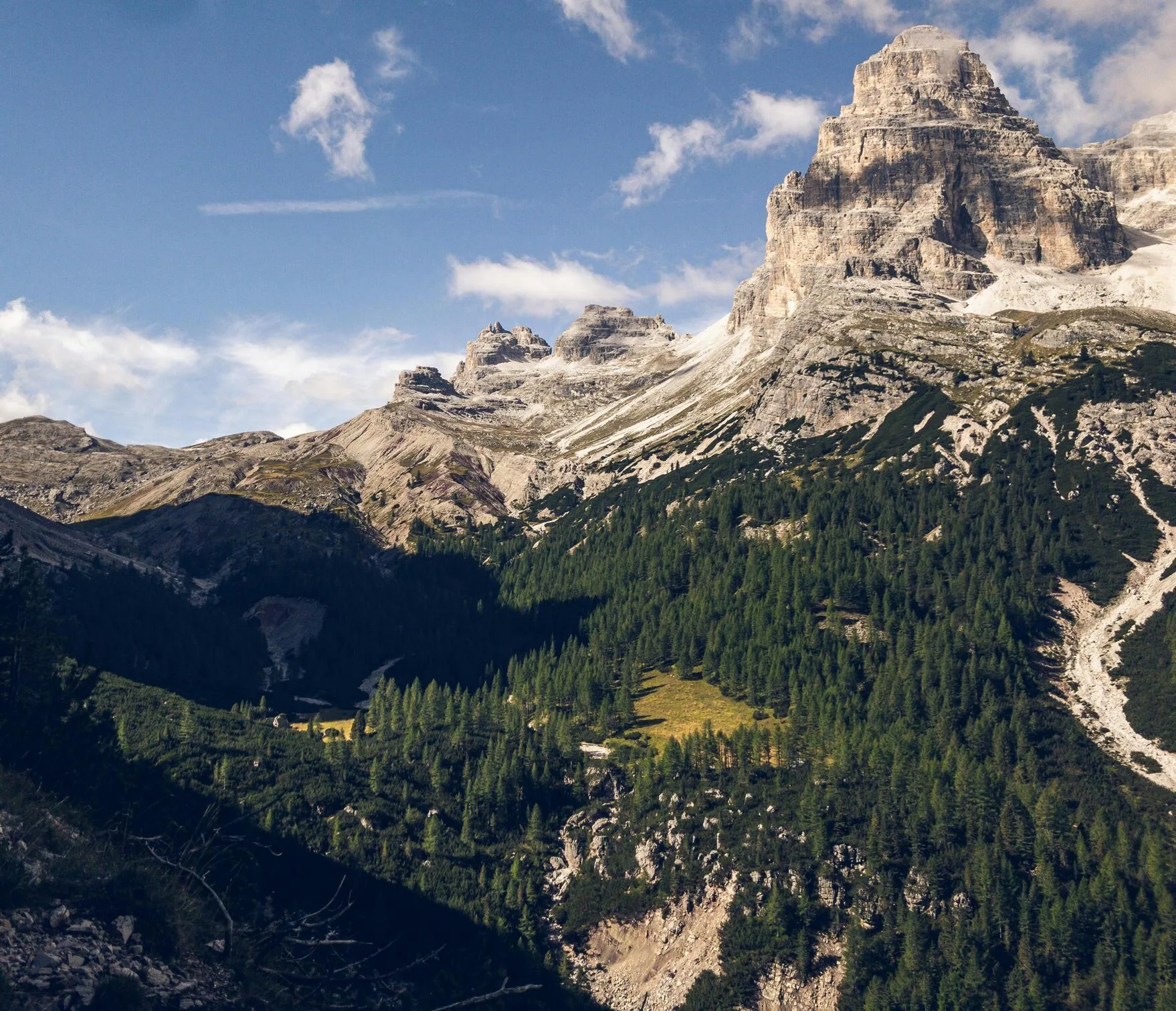
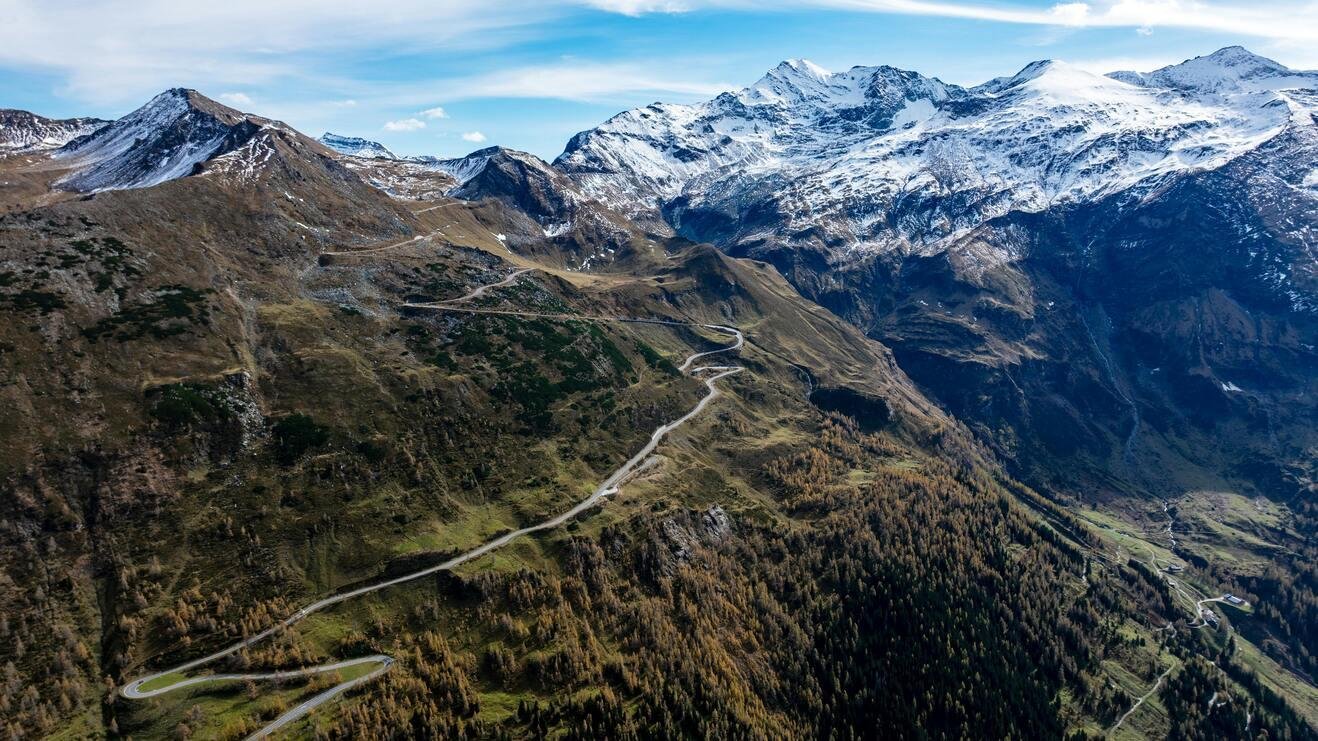
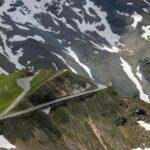
Rising through Austria’s Hohe Tauern National Park, the Grossglockner winds for 48 kilometers through hairpins, ridges, and valleys shaped by glaciers. Its highest point touches 2,504 meters at the Hochtor Pass, with detours climbing even higher. On a clear day, you can see the Grossglockner peak itself, Austria’s highest mountain at 3,798 meters, standing like a sentinel above the valleys.
This isn’t just a road — it’s a stage where every turn writes a new chapter.
Before you read further do visit our gear finder tool to help you find the right gear – https://goodgearhub.com/smart-gear-finder-tool/
Best Time to Ride
The Grossglockner is seasonal. Unlike routes that stay open year-round, this one closes under snow and ice. The gates typically swing open in early May and shut down by late October, but the sweet spot depends on what you want from the experience.
May – Early June: Snow walls still line the road, towering several meters above your helmet. It feels like riding through a frozen corridor. Roads can be slick, so caution is key.
June – July: Peak tourist season, but also the most forgiving conditions. Valleys are in full bloom, and roadside meadows are carpeted in wildflowers.
August – September: The golden months. Fewer crowds, stable weather, and an autumn glow that makes the mountains blaze with color.
October: A gamble. You might catch crisp, clear air and empty roads — or find yourself riding into sudden snow squalls.
👉 Pro tip: Always check the Grossglockner Hochalpenstraße official site on the morning of your ride. Closure due to weather can happen without warning.
Route Highlights
On paper, the road is short — just under 50 km from Bruck an der Großglocknerstraße to Heiligenblut. But in reality, this stretch feels like an odyssey. Every few kilometers, the scenery transforms.
Must-See Points Along the Way
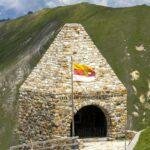
Fuscher Törl (2,428 m): A high pass with panoramic views of the Salzach Valley and jagged ridgelines. Stop at the stone monument that honors the road’s builders.
Hochtor Tunnel (2,504 m): The literal high point, cutting through the mountain ridge. Riding through feels like crossing a threshold into another world.
Kaiser-Franz-Josefs-Höhe: The crown jewel viewpoint. From here, you can gaze at the Pasterze Glacier, once mighty, now shrinking but still magnificent. The Grossglockner summit looms beyond.
Edelweißspitze (2,571 m): A cobblestone spur road, tighter and steeper than the main route. The 360° views from the top are staggering. Not for the faint of heart.
Heiligenblut Village: Your descent ends in this postcard-perfect alpine town, with its pointed church steeple framed by mountains.
Each of these stops offers not just scenery, but also a chance to breathe, hydrate, and appreciate the effort it took to build such a marvel.
Gear Checklist
Riding the Grossglockner isn’t like cruising coastal highways. The altitude and conditions demand preparation.
Layered Clothing: Temperatures can drop 15°C from valley to summit. A thermal base, fleece mid-layer, and waterproof shell are essential.
Cold-Weather Gloves: Even in July, the air at 2,500 m can numb your fingers. Heated grips are a luxury worth having.
Helmet with Pinlock Visor: Fogging is constant in tunnels and cold patches.
Waterproof Boots: Melting snow and run-off streams often cross the road.
Compact Camera or GoPro: Mount it securely; you’ll regret not recording the ride.
Fuel & Cash: Gas stations are available in Bruck and Heiligenblut, but not on the pass itself. Many alpine cafés still prefer cash.
Detours Worth Taking
The main road is spectacular, but the detours add flavor.
Edelweißspitze Spur: Cobblestoned, hair-raising, and unforgettable. The view from the top is a rider’s postcard.
Glocknerwinkel Trail: A short hike near Kaiser-Franz-Josefs-Höhe, with one of the best glacier views.
Fusch Valley Loops: Quieter roads below the main pass, winding through alpine farms and meadows.
Bikes That Belong Here
Not every motorcycle thrives on the Grossglockner. Its endless switchbacks and steep climbs favor certain machines.
Adventure Tourers: BMW GS, KTM Adventure, Honda Africa Twin — built for altitude and agility.
Sport-Tourers: Ducati Multistrada, Yamaha Tracer, Kawasaki Versys — nimble and powerful enough for climbs.
Classics/Nakeds: Triumph Bonneville, Yamaha XSR — light, playful, and fun if you ride smart.
Cruisers: Possible, but the heavy weight and tight hairpins can turn joy into fatigue.
👉 The key is torque and handling — not outright horsepower.
Food & Stays Along the Route
One of the Grossglockner’s pleasures is its alpine hospitality.
Edelweißhütte (Edelweißspitze): Rustic, authentic, with hearty stews and strudels.
Restaurant Fuschertörl: A natural stop mid-pass, with panoramic dining.
Gasthof Post, Heiligenblut: Classic Austrian hospitality in a historic inn.
Pension Haus Maria (Bruck): Affordable and cozy, perfect for those starting early.
The food is mountain-fuel: schnitzel, dumplings, alpine cheeses, and fruit strudel. Wash it down with Almdudler, Austria’s herbal soda, or a local beer if you’re staying overnight.
Mistakes Riders Often Make
Even seasoned riders trip up here.
Ignoring the Weather: Clear in the valley doesn’t mean clear at 2,500 m. Fog and snow roll in suddenly.
Rushing the Ride: It’s “only” 48 km, but plan at least 4–5 hours with stops.
Overheating Brakes: Use engine braking on descents. Many a rider has smoked pads here.
Starting Too Late: The road closes at night. Always check daily opening and closing hours.
Not Hydrating: Cold tricks you into forgetting water — but altitude still dehydrates.
Solo vs Group Riding
Solo: The ultimate meditation ride. You stop when you want, ride your own rhythm, and soak in solitude. But risk is higher if conditions turn or if you break down.
Group: Safer and social, but tricky on tight switchbacks. Convoy fatigue sets in if riders aren’t evenly skilled.
👉 Best balance: pairs. You’re never truly alone, but you keep freedom and flow.
Emergency Essentials
Nature here is beautiful but unforgiving. Carry:
Charged phone with offline maps (signal is patchy).
First aid kit with bandages and painkillers.
Portable jump starter and tire repair kit.
Rain covers for gear.
Emergency blanket — cold snaps are real.
Also: make sure your insurance covers alpine rescue. Helicopter evacuations cost thousands.
History & Cultural Context
The Grossglockner High Alpine Road isn’t just a tourist attraction. Built between 1930–1935, during Austria’s interwar years, it was designed as both a feat of engineering and a symbol of national pride. More than 3,500 workers carved this road through unforgiving rock, often at great personal risk.
Today, it’s both a memorial to that effort and a driver of alpine tourism. Museums and info boards along the route tell the story — from geology and glaciers to construction and conservation. Riding it means riding across living history.
Itinerary Suggestions
Day Ride: Start in Bruck, cross to Heiligenblut, and return. 120 km round trip if you retrace your steps.
Two-Day Loop: Stay overnight in Heiligenblut, then continue south into Carinthia and loop back via Villach.
Grand Alpine Tour: Incorporate Grossglockner into a multi-day ride linking the Stelvio Pass (Italy), Dolomites, and Tyrol.
Wildlife and Road Hazards
The Hohe Tauern National Park is alive with wildlife. Marmots whistle from rocky slopes, ibex cling to cliffs, and eagles ride the thermals above. Beautiful, yes — but also a reminder: animals cross without warning.
Sheep and cattle often wander onto the road, especially near grazing zones. Slow down in these sections; a collision can end your trip in an instant.
Photography & Rider Memories
This road is a lens-lover’s paradise. Sunrise over the Fuscher Valley, sunset at Edelweißspitze, or storm clouds rolling over the Hochtor — every moment feels cinematic.
Many riders plan a second lap just to capture it all. Mount a GoPro on your tank or helmet, but also take time to stop, remove gloves, and frame still shots. The road is more than motion — it’s memory.
Grossglockner High Alpine Road – goodgearhub wrapup
The Grossglockner High Alpine Road is more than just curves and climbs. It’s a dialogue between rider and mountain, a stretch of asphalt that tests patience, rewards preparation, and gifts unforgettable memories.
When you roll into Heiligenblut, helmet off, engine cooling, you’ll look back at the road above and know this: you didn’t just ride it — you became part of its story.
Trusted Retailers
USA
https://imp.i104546.net/c/6525840/835082/11256
EU/UK
https://www.sportsbikeshop.co.uk
https://www.championhelmets.com
SPECIALIST GEAR SITES
https://gopro.com/en/in/shop/cameras
https://www.dji.com/global/products/handheld-imaging-devices#action-series
https://www.lonerider-motorcycle.com