Ha Giang Loop – Northern Vietnam’s Karst Ribbon
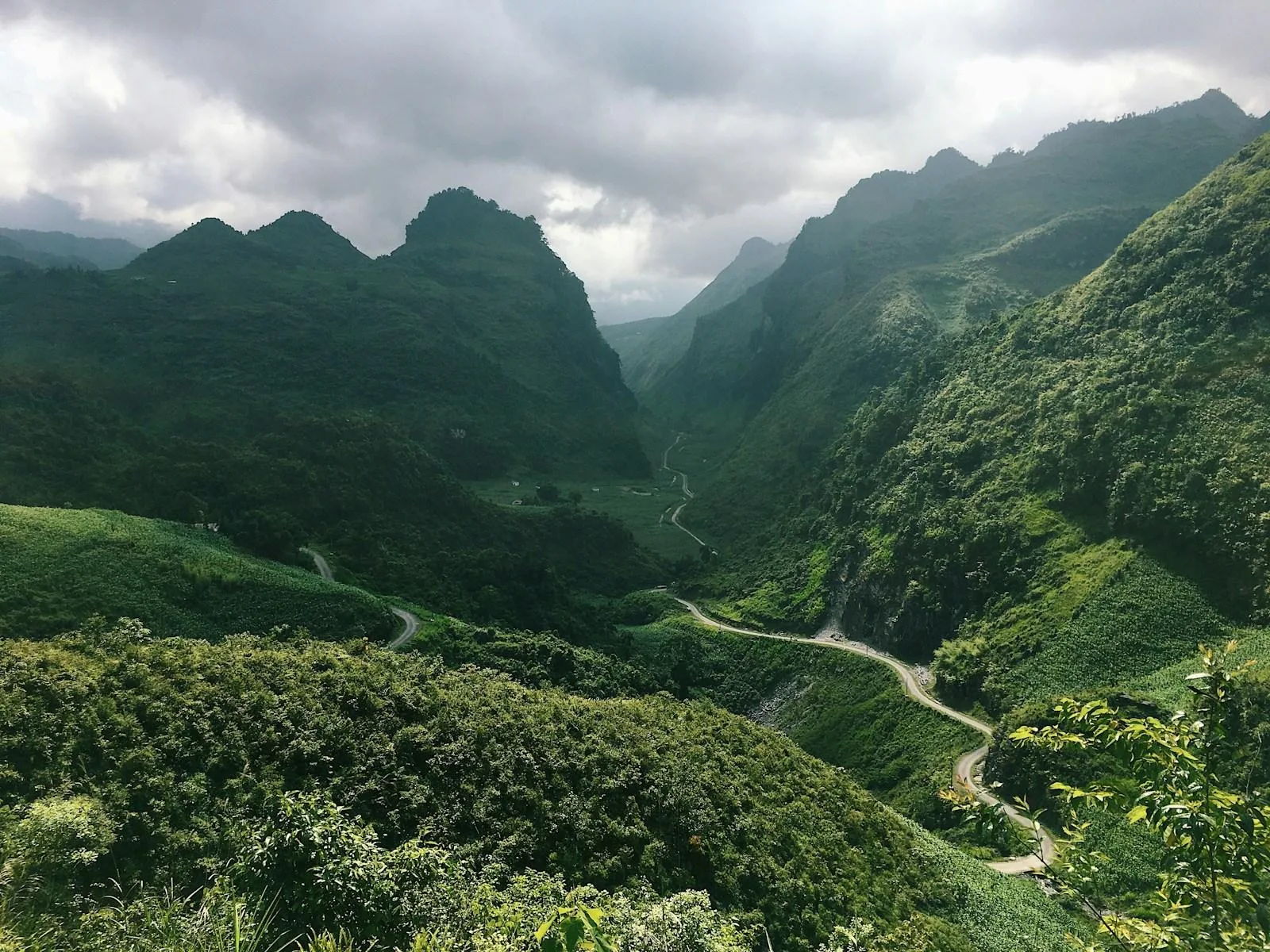
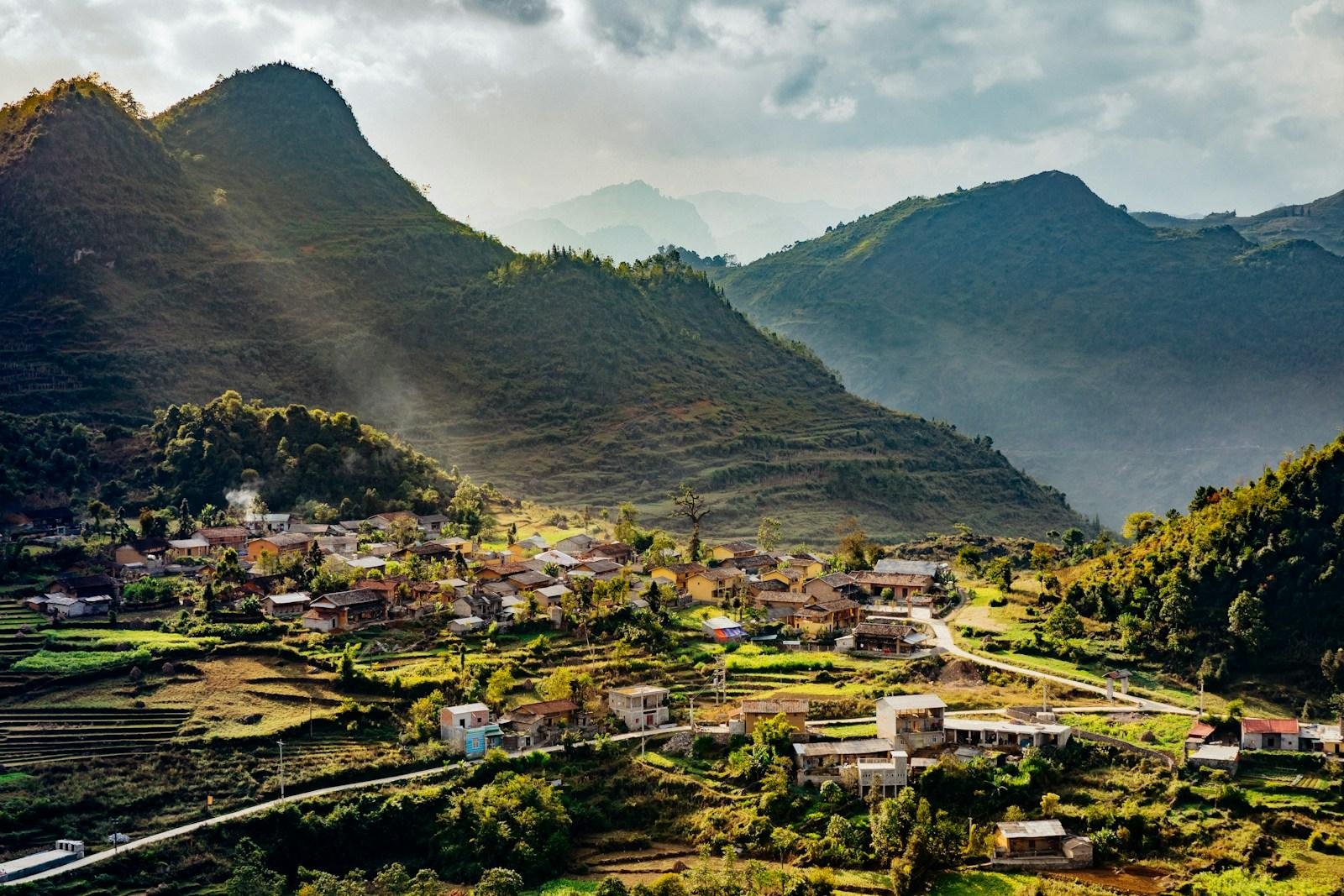
The road curls like script carved into green limestone. Terraces of rice tumble down the slopes, markets burst into colour, and each bend reveals a valley suspended between mist and myth. This is the Ha Giang Loop — Vietnam’s northern frontier, where riding is more than travel. It is rhythm, culture, and endurance bound into one.
Before you read further do visit our gear finder tool to help you find the right gear – https://goodgearhub.com/smart-gear-finder-tool/
Best Time to Ride
September–November – The golden season. Rice terraces glow with harvest, skies are sharp, and temperatures are cool but not cold. It’s the best time for both scenery and safe riding. Expect village festivals and lively weekend markets.
March–May – Spring brings blossoms. Peach, plum, and buckwheat flowers turn hillsides into a painter’s palette. Weather is mild, evenings cool, and cultural festivals add energy to towns.
December–February – Winter rides here are raw. Cold winds, misty valleys, and occasional frost challenge riders. The atmosphere is moody, rewarding those who enjoy quiet roads and introspective journeys.
June–August – The monsoon. Torrential rains drench the mountains, causing landslides and slippery descents. The landscape is greenest, with swollen rivers and waterfalls at full force. Only for experienced riders prepared for uncertainty.
Route Highlights
The loop is ~350 km, but those kilometres twist into thousands of curves. While some finish in 3 days, most take 4–5. Slower riders stretch it to a week, sinking deeper into culture and landscapes.
Segment 1: Ha Giang → Quan Ba (Heaven’s Gate)
Distance: ~50 km, 2–3 hours.
The ride leaves Ha Giang City through farmland, passing rice paddies and small villages before climbing into limestone ridges.
Quan Ba Pass — nicknamed Heaven’s Gate — unveils a valley of terraces and the iconic “Fairy Bosom” twin hills.
Roadside stalls sell tea and peanuts, perfect for a pause and photos.
Overnight options: homestays in Nam Dam village or guesthouses in Quan Ba town.
Tip: Fuel up before leaving Ha Giang, as reliable petrol stations thin out quickly.
Segment 2: Quan Ba → Yen Minh
Distance: ~65 km, 2–3 hours.
Pine forests dominate this section, giving it an alpine feel rather than tropical.
Villages of the Dao and Tay people line the route, offering glimpses of stilt houses, weaving, and traditional clothing.
The road surface here is mixed — good tarmac in parts, rough patches in others.
Yen Minh is lively at night, with a food market serving grilled skewers, fried rice cakes, and hot bowls of pho.
Accommodation: guesthouses and small hotels with clean rooms. Wi-Fi is basic but workable.
Segment 3: Yen Minh → Dong Van
Distance: ~100 km, 3–4 hours.
The road enters the Dong Van Karst Plateau, a UNESCO Geopark filled with jagged limestone towers and dramatic valleys.
Visit Lung Cam Cultural Village, home to clay-walled Hmong houses and textile weaving.
The route is technical, filled with blind corners, steep ascents, and gravel patches. Riders must stay alert.
Dong Van Town has a historic Old Quarter. On Sundays, the market bursts with colour as Hmong, Tay, and Lo Lo people trade textiles, livestock, and food.
Tip: Arrive on Saturday evening to catch the Sunday market at its most vibrant.
Segment 4: Dong Van → Ma Pi Leng Pass → Meo Vac
Distance: ~25 km, 1–2 hours, but allow extra for stops.
The Ma Pi Leng Pass is the crown jewel of the loop. A narrow road clings to cliffs above the emerald Nho Que River, offering some of Asia’s most dramatic landscapes.
Viewpoints overlook the gorge, and many riders stop to take boat trips on the river.
Riding is demanding, with sharp switchbacks and sheer drops. Concentration is essential.
Meo Vac lies beyond, quieter than Dong Van but rich in Hmong culture. Its Sunday market is raw, featuring livestock, corn wine, and handmade fabrics.
Overnight here offers a deeper cultural immersion, with rustic homestays that serve hearty meals and rice wine.
Segment 5: Meo Vac → Ha Giang (via Bao Lam or direct)
Distance: ~150 km, 6–7 hours.
The return ride winds through valleys and riversides, past terraced fields and bamboo groves. Buffalo graze freely by the roadside.
Riders with more time can detour into Cao Bang Province to visit Ban Gioc Waterfall, Vietnam’s largest cascade. The detour adds 2–3 days but delivers unforgettable scenery.
Completing the circle back in Ha Giang City feels like closing a novel — every corner a page, every pass a chapter, every market a subplot.
Gear Checklist
Helmet – Bring your own full-face or modular. Rental helmets are often poor quality. A clear visor is essential for foggy mornings.
Jacket – Lightweight textile or mesh with a waterproof liner. Hot in valleys, cold at passes. Layer with fleece.
Gloves – Waterproof and padded, protecting against falls and rain.
Boots – Sturdy ankle boots with grip for muddy tracks.
Rain Gear – Compact rain suit, necessary even in dry season.
Navigation – Offline maps required. Coverage drops in valleys.
Toolkit – Puncture kit, tyre levers, spare spark plug, duct tape, and chain oil.
First Aid – Bandages, antiseptic, stomach meds, rehydration salts, altitude pills.
Electronics – Power bank, headlamp, phone mount. Village power cuts are common.
Cash & Documents – Passport copy, license, Vietnamese Dong for all expenses. ATMs vanish outside Ha Giang City.
Detours Worth Taking
Lung Cu Flag Tower – Vietnam’s northernmost point. The climb is steep, but the views across China are spectacular.
Ban Gioc Waterfall (Cao Bang) – A 2–3 day detour but one of Asia’s most impressive cascades. Powerful and wide, it sits on the border with China.
Tham Ma Pass – Famous for its sweeping S-curves. Local photographers often wait here for shots of riders against mountain backdrops.
Dong Van & Meo Vac Markets – Sunday gatherings filled with textiles, livestock, and food stalls. These are cultural showcases, not tourist performances.
Bikes to Ride
150–250cc Semi-Automatics – Cheap, agile, and widely rented. Good for hairpins and light enough to handle easily.
Honda XR150L – The most popular option for foreigners. Reliable, fuel-efficient, and perfect for mixed terrain.
Large ADV Bikes – Possible, but often less enjoyable on narrow mountain passes. Smaller bikes make the loop more fun.
Food & Stays
Ha Giang City – A hub with hotels and cafés. Try banh cuon (steamed rice rolls with pork and herbs) before departure.
Quan Ba & Yen Minh – Guesthouses offer simple rooms. Family dinners include rice, stir-fried vegetables, pork, and corn wine.
Dong Van – Stay in the Old Quarter. Try thang co (Hmong horse stew), skewers, noodles, and rice wine at the Sunday market.
Meo Vac – Rustic homestays provide shared meals of corn wine, pork, and vegetables. Nights often end with storytelling and music.
Budget – Homestays: $10–20 with food. Guesthouses: $20–40. Meals: $2–7.
Rider Mistakes to Avoid
Attempting to ride the loop in one or two days. Fatigue makes accidents more likely.
Ignoring weather warnings. Landslides and fog are real dangers.
Skipping bike checks. Brakes, lights, and tyres must be inspected.
Assuming ATMs are everywhere. Carry cash for the entire ride.
Riding at night. Roads are unlit, animals roam, and obstacles appear suddenly.
Solo vs Group Riding
Solo – Immersive and flexible. Ideal for riders comfortable with mechanics and navigation. Homestays welcome solo travellers warmly.
Group – Safer in breakdowns and easier for communication. Best in small groups of 3–5 to keep flow on narrow roads.
Emergency Essentials
Save emergency numbers for hospitals, police, and rental agencies.
Viettel SIM card – best mobile coverage in remote regions.
Spare tubes, tow rope, puncture repair kit.
First aid kit with rehydration salts, stomach meds, and antiseptic.
Confirm travel insurance covers motorcycle accidents.
goodgearhub Wrap-Up
The Ha Giang Loop is more than Vietnam’s finest motorcycle road — it is a rite of passage for riders in Asia. A thousand bends twist through karst spires, terraced fields, and cultures that thrive in remote mountains. It demands patience, rewards attention, and humbles with scale and beauty.
When you roll back into Ha Giang City, covered in dust and tired from climbs, you’ll know this wasn’t just another ride. It was a journey etched into memory, a gallery of landscapes, and a lesson in resilience. The loop doesn’t simply carry you across terrain — it leaves part of itself inside you.
Trusted Retailers
USA
https://imp.i104546.net/c/6525840/835082/11256
EU/UK
https://www.sportsbikeshop.co.uk
https://www.championhelmets.com
SPECIALIST GEAR SITES
https://gopro.com/en/in/shop/cameras
https://www.dji.com/global/products/handheld-imaging-devices#action-series
https://www.lonerider-motorcycle.com