Mae Hong Son Loop – Thailand’s Mountain Serpentine
A ribbon of asphalt that twists like a dragon’s spine. Through teak forests and misted valleys, over 1,800 curves unravel between towns where time slows, and markets pulse with spices and chatter. The Mae Hong Son Loop is not just a ride; it’s Thailand’s ode to motion, a journey through landscapes that bend as endlessly as the road itself.
Before you read further do visit our gear finder tool to help you find the right gear – https://goodgearhub.com/smart-gear-finder-tool/
Best Time to Ride
November–February – The golden season. Skies are clear, mornings are cool, and evenings comfortable. The forests are lush after the rains, and Loy Krathong lantern festivals light up Chiang Mai. This is the most popular time to ride.
March–May – Hot and dry. Temperatures soar past 35°C, and smoke from slash-and-burn farming reduces visibility. Hydration becomes as important as throttle control.
June–October – Monsoon rains sweep across the loop. Roads can flood, mudslides block passes, and visibility drops. The greenery is spectacular, but only experienced riders should tackle the loop during this season.
Route Highlights
The loop is ~600 km, starting and ending in Chiang Mai. While hardcore riders crush it in three days, most spend 5–7 days to enjoy the landscapes and detours.
Segment 1: Chiang Mai → Doi Inthanon → Mae Sariang
Distance: ~190 km, 5–6 hours.
Leaving Chiang Mai, the road climbs toward Doi Inthanon National Park, home to Thailand’s highest peak (2,565 m).
Detour to the royal stupas near the summit, where cool winds sweep across valleys. Visit waterfalls like Wachirathan and Mae Klang.
Roads are well-paved but busy with tourist traffic. Early starts avoid congestion.
Continue west toward Mae Chaem, then south into Mae Sariang, a riverside town on the Yuam River.
Mae Sariang is quiet, with Shan temples, riverside guesthouses, and noodle shops. It’s a natural first overnight stop.
Segment 2: Mae Sariang → Mae Hong Son
Distance: ~160 km, 5–6 hours.
The ride tightens into forested curves, with rolling teak hills. Expect constant bends and elevation changes.
Small roadside shops sell sticky rice in bamboo, fried bananas, and grilled chicken.
Mae Hong Son town lies by a central lake, framed by Burmese-style temples like Wat Chong Kham and Wat Chong Klang. At sunset, the golden chedis glow against the water.
Evening markets offer Shan noodles (khao soi in northern style), coconut pancakes, and grilled meats.
Segment 3: Mae Hong Son → Soppong → Pai
Distance: ~110 km, 4–5 hours.
The road narrows into dramatic limestone ridges. Villages cling to hillsides, and jungle trails tempt adventurous detours.
Soppong (Pang Mapha) is known for Tham Lot Cave, an enormous cavern crossed by bamboo raft. Guided torch tours reveal prehistoric coffins and limestone formations.
Continue into Pai, a backpacker mecca. Expect night markets with falafel stalls, Thai curry, live music, and yoga cafés.
Pai mixes Thai culture with global bohemian vibes — a stark contrast to the quiet Shan towns before it.
Segment 4: Pai → Chiang Mai
Distance: ~130 km, 3–4 hours.
This stretch is legendary for its 762 curves. Tight bends flow endlessly through mountains, demanding focus and rewarding rhythm.
Roads are smooth, but constant switchbacks test endurance. Take breaks at viewpoints overlooking valleys layered in mist.
Descend back into Chiang Mai, closing the loop with both fatigue and satisfaction.
Gear Checklist
Helmet – Bring a proper full-face or modular helmet. Rental helmets are often poor quality. A tinted visor helps in bright valleys; a clear visor is needed for night or fog.
Jacket – A lightweight textile or mesh jacket with a waterproof liner. Mornings and mountain sections can be chilly, while valleys are hot.
Gloves – Ventilated gloves for the day, waterproof covers for rain showers. Curves demand constant grip, and sweaty palms reduce control.
Boots – Mid-height touring boots with ankle support. Essential for slippery monsoon roads and gravel detours.
Rain Gear – Compact rain suit or poncho. Afternoon showers arrive without warning.
Hydration Pack – Critical in hot months. Dehydration sneaks up on riders tackling endless bends.
Toolkit – Puncture kit, chain oil, fuses, and duct tape. Many small garages can assist, but carrying essentials saves time.
First Aid – Painkillers, antiseptic, rehydration salts, insect repellent.
Electronics – Power bank, phone mount, headlamp. Electricity in remote villages is sometimes unreliable.
Cash – Villages rarely accept cards. Carry Thai Baht in small notes for fuel, food, and homestays.
Detours Worth Taking
Doi Inthanon Summit – At 2,565 m, it’s Thailand’s highest point. Twin pagodas and alpine gardens make for stunning views.
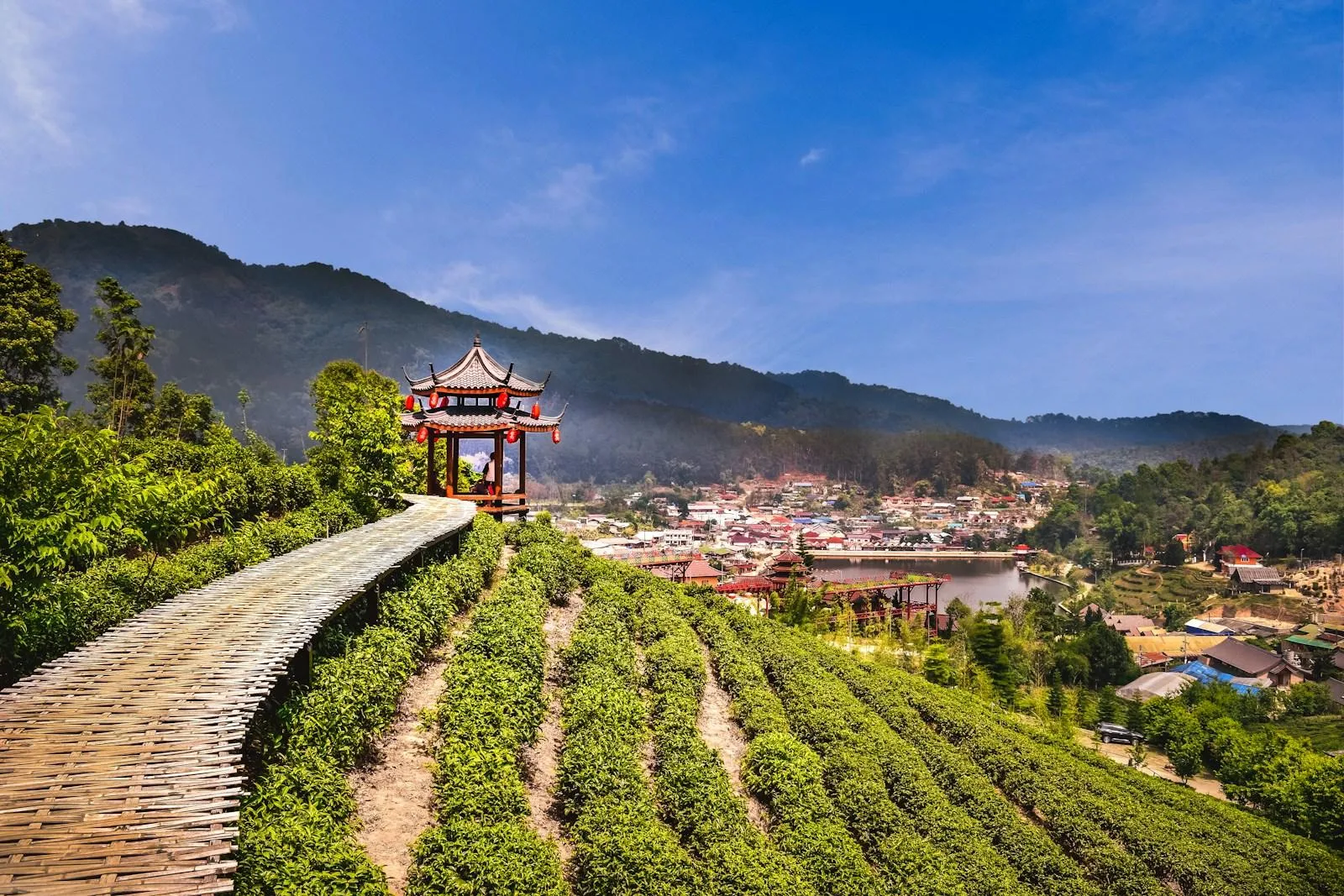
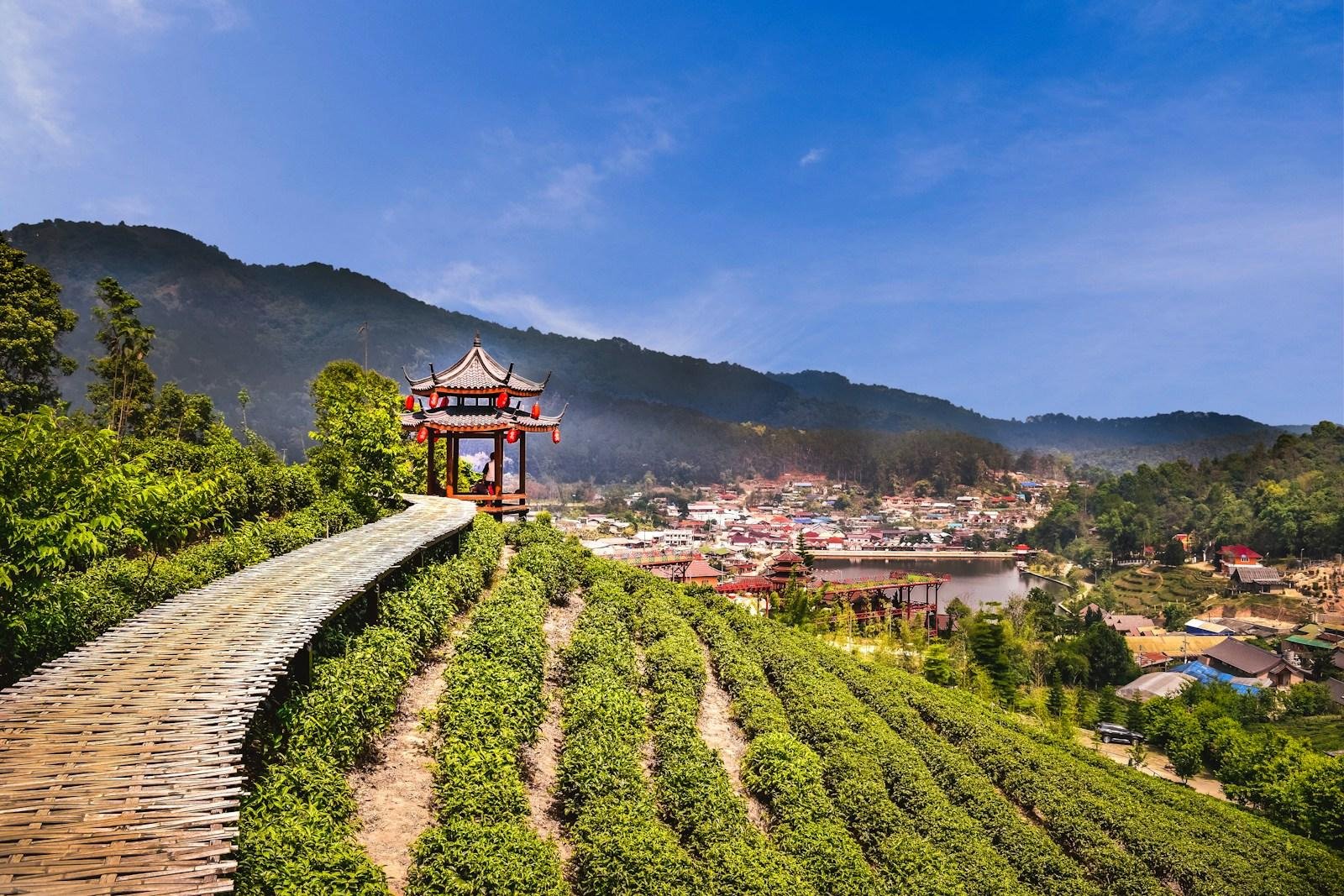
Ban Rak Thai – A Yunnanese Chinese village near the Myanmar border. Surrounded by tea plantations, mornings are mist-covered and tranquil.
Tham Lot Cave (Soppong) – An epic limestone cave system. Explore via bamboo raft and torch. Prehistoric coffins and formations await inside.
Pai Canyon – Sandstone ridges just outside Pai. Sunset walks along narrow trails are unforgettable.
Hot Springs – Tha Pai and Pong Duet hot springs offer relaxation after days of curves.
Bikes to Ride
250–400cc ADV or Roadsters – Honda CRF250L, Kawasaki Versys-X 300. Agile and reliable for switchbacks.
125–150cc Scooters – Cheap and available everywhere, but less stable on steep climbs and descents.
Larger Touring Bikes – Manageable, but heavy machines make the endless switchbacks exhausting.
Food & Stays
Mae Sariang – Quiet riverside town with Shan noodles, grilled fish, and guesthouses overlooking the Yuam River.
Mae Hong Son – Burmese-style temples, a night market with Shan curries, and simple hotels.
Soppong – Rustic guesthouses surrounded by caves and forests. Try sticky rice in bamboo tubes.
Pai – The backpacker hub. Boutique guesthouses, cafés serving both Thai and Western dishes, and a lively night market with global street food.
On the Road – Roadside stalls sell fried bananas, iced coffee, grilled chicken, and noodle soups.
Budget – Rooms: $10–25 per night in guesthouses, $30–50 for boutique stays. Meals: $2–7 depending on town.
Rider Mistakes to Avoid
Underestimating fatigue from the 762 curves between Pai and Chiang Mai. Take breaks often.
Overpacking luggage. Heavy bikes are harder to control in hairpins.
Ignoring weather forecasts during monsoon season. Landslides and floods block roads suddenly.
Riding after dark. Roads are poorly lit, with animals and trucks appearing out of nowhere.
Skipping fuel stops. Some stretches lack reliable stations.
Solo vs Group Riding
Solo – The loop is safe and well-marked. Solo riders enjoy flexibility and immersion, with homestays providing company at day’s end.
Group – Safer in wet conditions and more fun for sharing meals. Best in groups of 3–5, keeping the flow smooth through tight bends.
Emergency Essentials
Thai emergency number: 191.
Carry cash — ATMs can be scarce outside towns.
Medical basics: antiseptic, painkillers, rehydration salts, insect repellent.
Power bank and charging cables.
Confirm travel insurance covers motorcycle accidents specifically.
goodgearhub Wrap-Up
Curve after curve, the Mae Hong Son Loop teaches flow. It tests stamina, rewards attention, and fills your senses with Thailand’s forests, temples, and markets. The ride is as much about rhythm as distance — a dance with asphalt across 1,800 bends.
When you roll back into Chiang Mai, tired yet exhilarated, you’ll know the loop has done more than bring you full circle. It has reshaped the way you think about riding: not as speed, not as distance, but as motion itself.
Trusted Retailers
USA
https://imp.i104546.net/c/6525840/835082/11256
EU/UK
https://www.sportsbikeshop.co.uk
https://www.championhelmets.com
SPECIALIST GEAR SITES
https://gopro.com/en/in/shop/cameras
https://www.dji.com/global/products/handheld-imaging-devices#action-series
https://www.lonerider-motorcycle.com