Mongolia – Gobi & Khovsgol
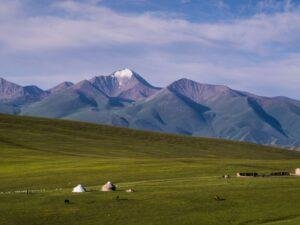
Across the endless steppe, the horizon swallows the sky. Camels wander dunes, eagles circle mountain ridges, and rivers carve green ribbons through dry earth. Riding Mongolia is not just travel — it is surrender to scale, a journey where every horizon demands another day in the saddle.
Before you read further do visit our gear finder tool to help you find the right gear – https://goodgearhub.com/smart-gear-finder-tool/
Best Time to Ride
June–September – The golden riding season. Days stretch long, temperatures are warm, and most rivers are crossable. This is when nomadic families pitch their gers across the plains, and riders are most likely to be welcomed with tea and food. July is especially lively thanks to Naadam Festival, a nationwide celebration of wrestling, horse racing, and archery that reflects Mongolia’s warrior heritage. August brings lush pastures in the north and tolerable desert heat in the south, making it the sweet spot for long routes.
May & October – Shoulder months that test resilience. Early snow dusts the northern passes in May, and by October nights plunge well below freezing. Rivers can swell from spring meltwater or dry to rocky beds by autumn. Riders in these months need winter sleeping bags and serious endurance.
November–April – Mongolia’s infamous winter. Temperatures crash to –30°C, the steppe becomes an ocean of ice, and even nomads retreat into survival mode. Riding is impossible for all but extreme expeditions.
Route Highlights
This ride links Mongolia’s extremes: the sun-scorched dunes of the Gobi Desert in the south with the alpine majesty of Lake Khovsgol in the north. Distances are long, fuel is scarce, and the track often vanishes into grassland. Allow at least 14–18 days to complete the loop.
Segment 1: Ulaanbaatar → Dalanzadgad (Gateway to the Gobi)
Distance: ~600 km, 2–3 days.
Leaving Ulaanbaatar, the capital’s traffic chaos fades into infinite steppe. Asphalt breaks into gravel and dirt. Horses, sheep, and goats cross at will. Trucks crawl under heavy loads, and dust trails stretch for kilometers.
Fuel stops are rare — plan carefully. Carry jerry cans, as 200–250 km without fuel is normal.
Dalanzadgad is the Gobi’s southern hub. Stock up on supplies and water. Nearby lies Yolyn Am Gorge, a deep cleft where ice lingers year-round despite desert heat.
Segment 2: Dalanzadgad → Khongoryn Els Dunes
Distance: ~180 km, 1 long day.
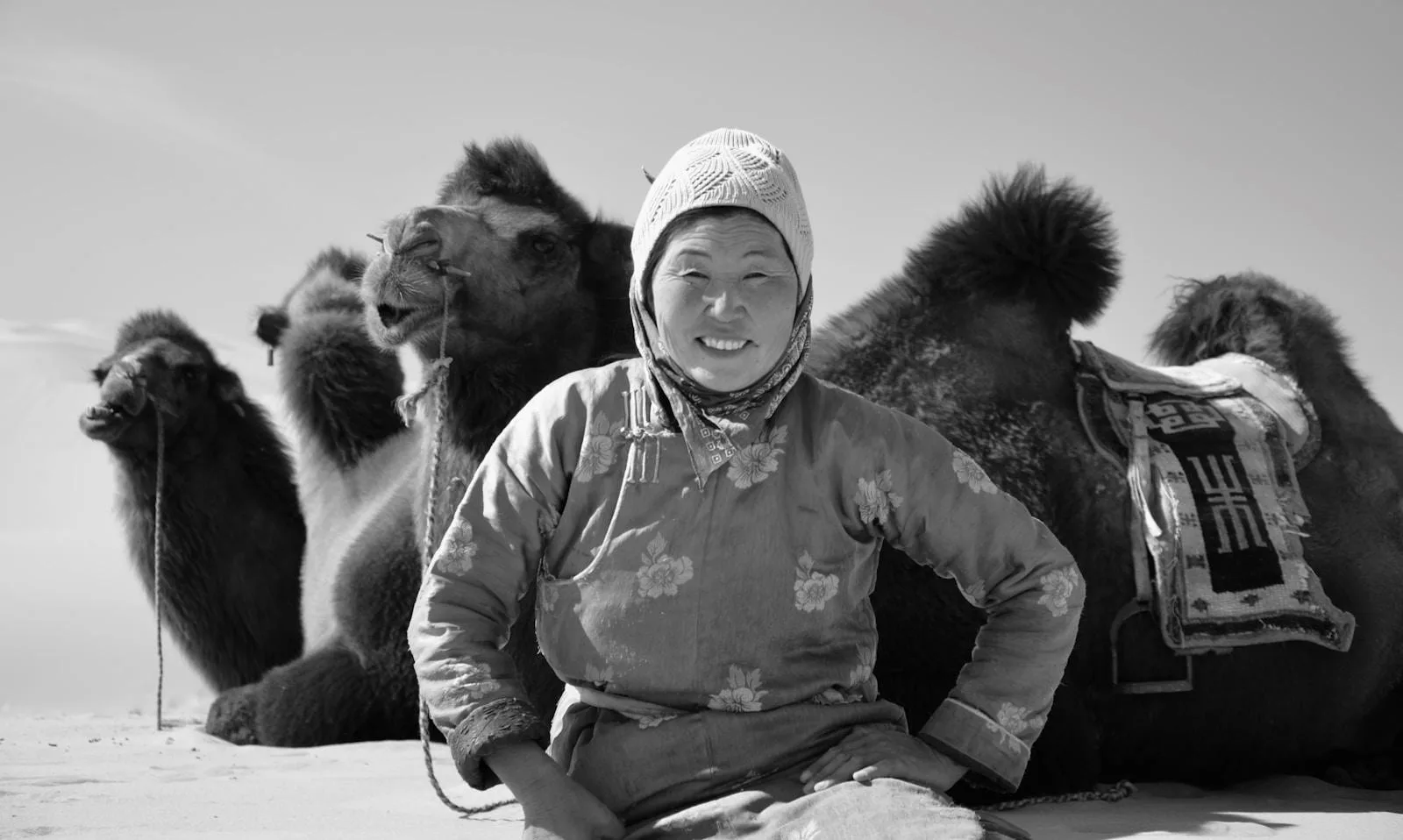
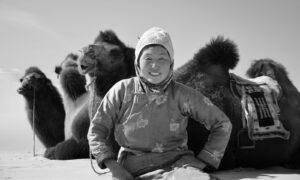
The ride cuts across desert plains. Mirages shimmer, the horizon barely shifts, and the monotony tests patience. Camels appear like ghosts in the distance, tended by herders in deel robes.
The Khongoryn Els dunes are immense — a wall of sand up to 300 meters high, stretching 180 km. Nicknamed the “Singing Dunes” for the low roar of wind across the slopes, they are Mongolia’s Sahara.
Stay in nearby ger camps, where dinner means mutton stew and fermented mare’s milk (airag). Sunsets and dawns here turn sand into a palette of gold and crimson.
Segment 3: Khongoryn Els → Flaming Cliffs (Bayanzag)
Distance: ~150 km, 1 day.
Tracks lead north through scrubland to the Flaming Cliffs of Bayanzag. At sunset, the cliffs glow a fiery red, giving the site its name.
In the 1920s, American explorer Roy Chapman Andrews unearthed dinosaur fossils here, including the first-known nests of fossilized eggs. To ride through Bayanzag is to move through prehistory.
Ger camps nearby offer rustic stays. Expect electricity for only a few hours, but skies ablaze with stars.
Segment 4: Flaming Cliffs → Orkhon Valley → Karakorum (Detour)
Distance: ~400 km, 3–4 days.
Ride northwest into the Orkhon Valley, where waterfalls tumble into basalt canyons. The valley is a UNESCO World Heritage site, considered the cradle of nomadic culture. Families grazing herds welcome travelers with salted milk tea and fresh bread.
Continue to Karakorum, the ancient Mongol capital. Founded by Genghis Khan in the 13th century, little remains, but the Erdene Zuu Monastery still stands, its white walls enclosing dozens of temples. It is a reminder of Mongolia’s shift from empire to Buddhism.
Segment 5: Karakorum → Terkhiin Tsagaan Nuur (White Lake)
Distance: ~250 km, 2 days.
Roads climb into volcanic highlands. The White Lake sits at 2,060 meters, framed by extinct cones and lava fields.
Fishermen cast lines in the clear waters, and pine forests rim the shores. It is a stark contrast to the desert.
Ger camps here offer horseback riding and boat trips. Nights are cold, with skies brilliant under the Milky Way.
Segment 6: White Lake → Murun → Lake Khovsgol
Distance: ~450 km, 3–4 days.
Push north to Murun, capital of Khovsgol Province. From there, ride 100 km more to Lake Khovsgol, the “Blue Pearl of Mongolia.”
Holding 70% of Mongolia’s freshwater, this lake stretches 136 km long and is over 260 meters deep. Surrounded by taiga forest and snow-capped peaks, it feels alpine and wild.
The Tsaatan people, nomadic reindeer herders, live in the taiga beyond. Visiting them requires multi-day treks, but it is one of the rarest cultural encounters in the world.
Camps around the lake offer kayaking, fishing, and evenings warmed by wood stoves inside gers.
Segment 7: Lake Khovsgol → Ulaanbaatar (Return)
Distance: ~800 km, 4–5 days.
The return to Ulaanbaatar cuts across grasslands and river valleys. Days are long, with river crossings and rough trails.
As you re-enter the capital, its noise and concrete feel surreal after weeks of silence.
Gear Checklist
Helmet – Full-face with goggles or dust filter. Sandstorms in the Gobi can choke an unprotected rider.
Jacket – Armored textile with vents. Hot days in the desert turn to freezing nights by alpine lakes.
Gloves – A light pair for summer riding, insulated pair for mountain mornings.
Boots – Enduro boots with strong shin support. Essential for river crossings and inevitable drops in sand.
Rain Gear – Compact but durable. Steppe storms arrive without warning and drench everything.
Fuel Storage – Extra tanks or jerry cans. 300+ km without fuel stations is common.
Toolkit – Tire irons, patch kit, chain lube, cables, spare spark plugs. Mechanics are scarce outside towns.
Navigation – GPS with offline maps, compass, and printed backups. Trails often vanish into the landscape.
First Aid – Hydration salts, antibiotics, antiseptic, painkillers. Dehydration is constant danger.
Camping Kit – Tent, sleeping bag for –10°C, stove. Self-sufficiency is survival.
Detours Worth Taking
Altai Mountains – Western Mongolia’s eagle hunter country. Remote, rugged, breathtaking.
Uvs Lake – A massive saltwater lake ringed by desert and snowy peaks. Few visitors reach it.
Orkhon Valley – Stay with nomadic families in the cradle of Mongol culture.
Karakorum – The empire’s ancient capital. Walk monastery grounds where khans once ruled.
Khuvsgul Taiga – Rough trails to reindeer herders. Demanding, but culturally unique.
Bikes to Ride
250–450cc Enduro Bikes – The best choice. Honda CRF250L, Yamaha WR450, or similar. Light, durable, and manageable in sand.
650cc Dual Sports – Suzuki DR650, Kawasaki KLR650. Great for carrying luggage, but heavy in deep sand.
Avoid Heavy Touring Bikes – Mongolia breaks them. The terrain is too rough, and weight is your enemy.
Food & Stays
Ger Camps – Heart of Mongolian hospitality. Expect salty milk tea, mutton stew, and airag. Simple, warm, and communal.
Markets – Stock up in towns like Dalanzadgad or Murun. Bread, instant noodles, rice, and canned goods are staples.
Specialties – Buuz (steamed dumplings), khuushuur (fried pies), tsuivan (noodles with mutton), and dairy products like dried curds. Meals are hearty, built for cold nights and hard work.
Vodka – Mongolians may invite you to share vodka shots in gers. Tradition dictates drinking in rounds — decline politely if you must, but always with respect.
DIY Camping – Wild camping is unlimited. Mongolia’s land belongs to all, and the silence at night is overwhelming.
Rider Mistakes to Avoid
Fuel Misjudgment – Always refuel when possible. Never drop below half a tank.
Distance Underestimation – 200 km can mean a full day of sand, rivers, and detours.
Overconfidence in Navigation – Cell service fails often. GPS and paper maps are essential.
Ignoring Hydration – Carry 3–5 liters of water daily. Dehydration sneaks up fast.
Border Confusion – Near China or Russia, stay clear of restricted zones without permits. Check visa rules.
Solo vs Group Riding
Solo – For veterans only. Self-rescue skills, satellite communication, and mechanical know-how are mandatory. The solitude is profound but risky.
Group – Ideal. Groups of 3–5 can share fuel, food, tools, and navigation duties. Camaraderie lifts spirits when the horizon never ends.
Emergency Essentials
Emergency numbers: 105 (police), 103 (ambulance). Rural response is limited.
Satellite phone or GPS messenger is essential. Do not rely on cell networks.
Carry survival basics: extra fuel, 5 liters of water, food for 2–3 days.
Medical kit with antibiotics, pain relief, and rehydration salts.
Travel insurance that covers motorcycling in remote regions. Read the fine print.
goodgearhub Wrap-Up
Mongolia is a place where the word “remote” gains new meaning. To ride from the singing dunes of the Gobi to the glassy calm of Lake Khovsgol is to traverse not just distance, but time itself. The steppe has no fences, the roads are not always roads, and the sky expands until you feel small beneath it.
Yes, it is punishing — fuel is scarce, weather extreme, and tracks unmarked. But it rewards with endless horizons, nomadic hospitality, and a deep silence that modern life has forgotten. This route is not just a ride; it is a rite of passage.
When you roll back into Ulaanbaatar, caked in dust, the noise of traffic will feel foreign. You will have carried yourself across a country where every kilometer is earned, and every night under the stars feels infinite. Mongolia stays with you, not as a map traced, but as a vastness remembered.
Trusted Retailers
USA
https://imp.i104546.net/c/6525840/835082/11256
EU/UK
https://www.sportsbikeshop.co.uk
https://www.championhelmets.com
SPECIALIST GEAR SITES
https://gopro.com/en/in/shop/cameras
https://www.dji.com/global/products/handheld-imaging-devices#action-series
https://www.lonerider-motorcycle.com