Best Tips to Choose Summer Jeans 2025
Hot weather flips your gear choices. When the mercury rockets past , riding pants often made from synthetic materials can feel like wearing a sauna. You end up picking between textile pants or riding denim, with denim popping up most of the time. But just because it’s hot doesn’t mean you should compromise on safety or comfort. Picking the right summer jeans is a balance of airflow, protection, and a fit that keeps you cool and focused on the ride.
Before you read further do visit our gear finder tool to help you find the right gear – https://goodgearhub.com/gear-finder-tool/
1. Toughness Matters – The Fabric of Your Safety
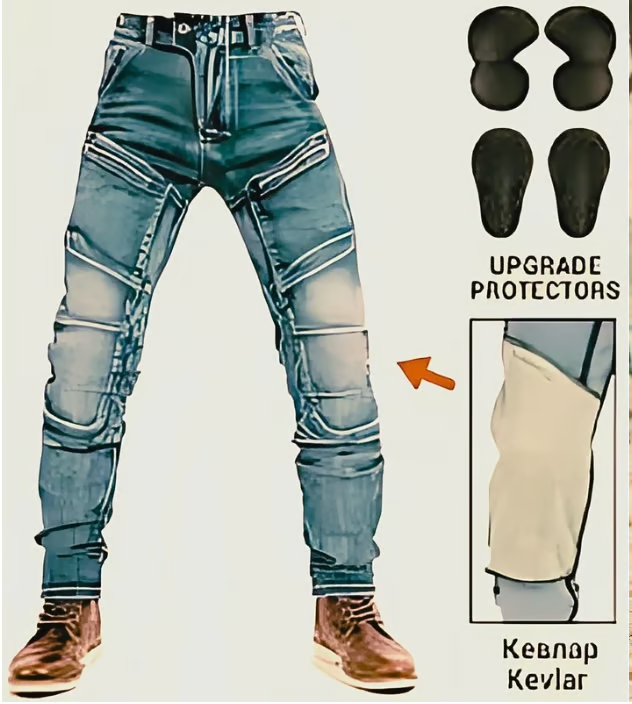
Regular denim tears like old paper if you slip. That’s why toughness is not just a feature; it’s the foundation of any good pair of motorcycle jeans. When you’re shopping, you need to hunt for jeans built with high-performance stuff like Kevlar, Cordura, or Dyneema. Don’t just trust the tag—peek at the abrasion ratings for proof. Abrasion resistance is measured in seconds of slide time, and a few seconds can make all the difference between a minor scrape and a major injury.
- Kevlar: A classic for a reason. This synthetic fiber is woven into panels in key impact zones like the knees, hips, and seat. It’s incredibly strong and highly resistant to abrasion and heat. The downside is that these panels can add bulk and trap heat, which is why it’s crucial to look for jeans with proper ventilation.
- Cordura Denim: This is a high-tenacity nylon blend woven directly into the denim. It offers superior abrasion resistance while maintaining a natural denim look and feel. Because the protective material is integrated, it’s often more breathable than Kevlar-lined jeans, making it a great option for hot weather.
- Dyneema: This is the new kid on the block, often called the world’s strongest fiber. It’s exceptionally light and thin, yet it offers incredible abrasion resistance. Dyneema is often blended directly into the denim, creating a single-layer jean that looks and feels like a regular pair but provides high-level protection. The breathability and comfort are a huge plus in the summer heat.
2. Built-in Protection: The Armor Advantage
Built-in protection can be a tricky thing. Some jeans come with a thin foam layer or a bare minimum of padding that barely whispers safety. This is a trap. You need to go with jeans sporting CE Level 2 or D3O guards on the knees and hips. Those spots take the brunt of an impact. The best armor isn’t just a block of foam; it’s an intelligent material that stays flexible and soft until an impact, at which point it hardens instantly to absorb the force.
- CE Ratings for Armor: This is the certification for the impact protectors themselves.
- CE Level 1: Offers a good baseline of impact protection. It’s better than nothing, but not the best.
- CE Level 2: The gold standard, providing superior impact energy absorption. This is what you should be looking for, especially in summer when your skin is more exposed.
- Finding the Right Fit: Let the armor pockets get wedded to the inserts; if they’re loose, use Velcro to keep them in line. The best designs have adjustable armor pockets that allow you to fine-tune the position of the pads, ensuring they cover your knees and hips perfectly when you’re in the riding position.
3. Fit Changes Everything
Fit is about more than just looking good; it’s a safety and comfort factor. Jeans that hug too tight might shove the padding around, while baggy ones are not great for protection because the armor can shift away from the impact area. A snug fit isn’t just about looking neat—it locks your safety bits exactly where they need to be.
- For a sporty bike or aggressive riding: A slim or tapered fit with plenty of stretch is ideal. It keeps the armor snug against your body and prevents excess fabric from flapping in the wind.
- For a cruiser or ADV bike: A regular or relaxed fit offers more freedom of movement and better airflow. Make sure the armor pockets are still snug enough to keep the pads in place.
- Stretch is Your Friend: Look for jeans with stretch fabric, especially around the knees and crotch. This allows you to move freely on the bike without the jeans pulling or restricting your motion, which can be a major distraction on a long ride.
4. Breathability is Gold
In the summer, breathability isn’t a luxury; it’s a necessity. Heavy, suffocating fabrics trap heat and can turn an enjoyable ride into a sweaty slog. Pick jeans with ventilated liners or mesh patches that spark airflow. The goal is to move air over your skin to evaporate sweat and cool you down.
- Single-Layer Jeans: As mentioned, Dyneema-blended denim is often a single-layer material. This means there’s no bulky, separate abrasion-resistant liner, which greatly improves breathability.
- Mesh Liners: Some jeans, especially those with thicker Kevlar panels, will use a mesh inner liner. This creates a small air gap between the protective layer and your skin, allowing for better airflow.
- Strategic Venting: Look for jeans that have zippered vents on the thighs or other non-impact areas. Being able to open and close these vents on the fly gives you control over your airflow as the temperature changes throughout the day.
5. Length Counts
Jeans cut too short might scramble up when you fall, leaving skin ripe for scrapes. A longer or tapered style sticks around even when boots join the party. This is particularly important for summer, where you might be wearing shorter, more breathable riding boots instead of full-length touring boots.
- Riding Position Check: Before you buy, sit in the riding position you’ll be using. The jeans should cover your ankles completely. When you stand up, they might seem a little long, but this is exactly what you want for on-the-bike coverage.
- Tapered vs. Straight: A tapered leg can be great for fitting inside or over your boots without a lot of extra fabric. A straight leg can be more breathable, but you have to be more careful with the length to ensure it doesn’t ride up.
Five Top Examples of Summer Riding Jeans
To help you make a more informed choice, here are five brand choices of riding jeans that excel in hot weather, along with their pros and cons.
- Pando Moto – Arnie Slim Jeans Pando Moto is a premium brand known for its stylish, high-protection single-layer jeans, often using materials like Armalith and Dyneema. The Arnie Slim model is a prime example of their focus on designs that look like regular streetwear while offering top-tier protection.
- Pros: They have a CE AAA rating (the highest), which is rare for single-layer jeans. The use of single-layer, high-performance denim makes them exceptionally comfortable and breathable for hot weather. The fit is modern and flattering, and they come with SAS-TEC CE Level 1 armor for the hips and knees.
- Cons: They are on the expensive end of the market. The highly protective materials can be stiff initially and require a break-in period.
- Dainese – Classic Tex Pants Dainese is a legacy brand in motorcycle gear and offers a range of protective jeans. Their summer-focused models often use proprietary fabrics like Armalith and are designed with their signature Italian style. The Classic Tex is a great example of a lightweight, highly protective option.
- Pros: Made with an Armalith chassis, they are incredibly abrasion-resistant while remaining soft and breathable. The pants are styled to be worn on and off the bike, making them very versatile. The fit is ergonomically designed for riding comfort.
- Cons: Similar to other premium brands, they can be pricey. Some riders may find the fit to be on the slimmer side.
- REV’IT! – Detroit 2 TF Jeans REV’IT! offers a wide range of riding jeans that balance protection, style, and price. They often use Cordura denim and integrate their own SEESMART CE Level 1 armor, which is flexible and low-profile. The Detroit 2 TF is a popular slim-fit model.
- Pros: They provide a great balance of protection and comfort at a more accessible price point than some other premium brands. The use of stretch Cordura denim makes them comfortable right out of the box, with excellent abrasion resistance. The SEESMART armor is very low-profile, so the jeans don’t look bulky.
- Cons: While the Cordura denim is very tough, it might not offer the same ultimate abrasion resistance as a CE AAA-rated Dyneema jean.
- Knox – Urbane Pro Trousers Knox is a brand that focuses heavily on protection and modularity. Their Urbane Pro Trousers use a tough Cordura denim and are designed to work seamlessly with their popular Urbane Pro armored shirts, creating a complete “seasonless” system.
- Pros: The armor is a standout feature, with Knox’s Micro-Lock armor being flexible, soft, and CE Level 2 rated. They are designed for excellent airflow and often feel light and flexible. The fit is comfortable and secure, keeping the armor in place.
- Cons: Their styling can be more “technical” than other brands, which might not appeal to everyone looking for a more casual look. The price is on the higher end, but is justified by the included, high-quality armor.
- Alpinestars – Copper v3 Riding Jeans Alpinestars is a major player in the motorcycle gear world, and their riding jeans are widely available and well-regarded. The Copper v3 is an excellent entry-level option that uses Aramid fiber reinforcement and proprietary armor.
- Pros: They are often more affordable than other premium brands, making them a great entry point. They have a casual design suitable for daily wear and come with adjustable knee armor. The fit is comfortable and the styles are diverse, from slim to relaxed.
- Cons: This particular model is CE A-rated, which is a good baseline but not as protective as CE AA or AAA options. Hip armor is not included, though pockets are provided for it.
GoodGearHub Wrap –Best Tips to Choose Summer Jeans 2025
At the end of the day, your motorcycle jeans should do more than just complete your look—they should keep you safe and comfortable on every ride. By taking the time to measure yourself properly, choosing the right fit that suits your riding style, and never compromising on protective features and safety standards, you’ll dodge the disappointment of a poor fit.
Bonus Tip: You get what you pay for. Buy the top brands. The cheaper ones won’t have specialist materials like Kevlar, Dyneema, or Cordura, or they will have an insignificant amount. Also, a bonus tip for long trips: Carry a spare pair. Even the breeziest denim can start soaking up sweat, dust, and odors under a blazing sun. Switching into a fresh pair can really perk up your ride and keep things cool.
Now, armed with these tips, go hunt down that perfect pair and hit the road knowing your jeans are as ready for the ride as you are! 🏍
Trusted Gear Links
USA
https://imp.i104546.net/c/6525840/835082/11256
https://www.cyclegear.com
https://www.jpcycles.com
EU/UK
https://www.sportsbikeshop.co.uk
https://www.fc-moto.de
https://www.championhelmets.com
https://www.louis-moto.com
SPECIALIST GEAR SITES
https://www.lonerider-motorcycle.com
https://www.garmin.com/en-IN/c/motorcycle/
https://www.hepco-becker.de/en/